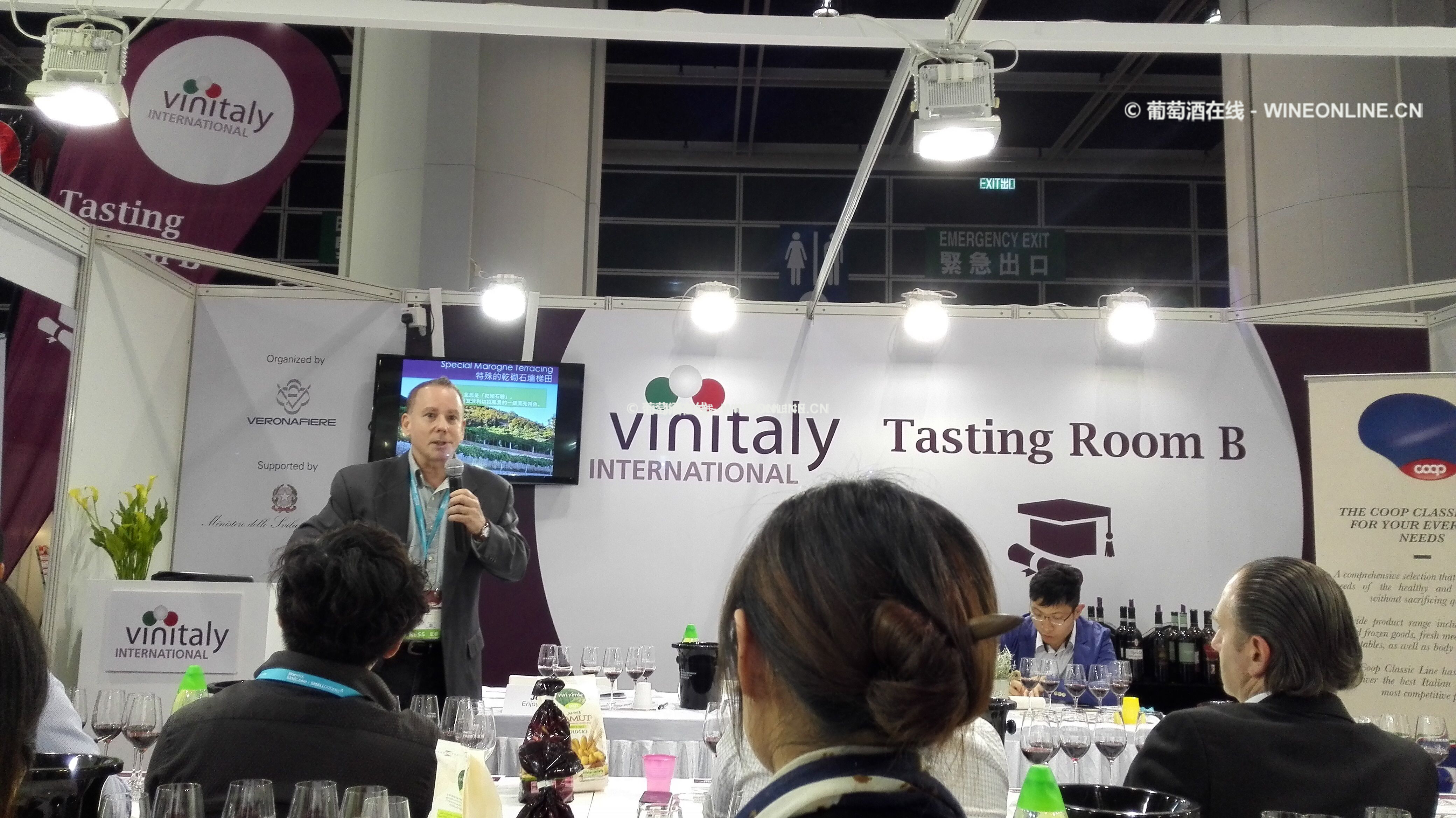
专访桑雅Sena庄主:如何打造顶级葡萄酒庄

图文:陆江 | 葡萄酒在线

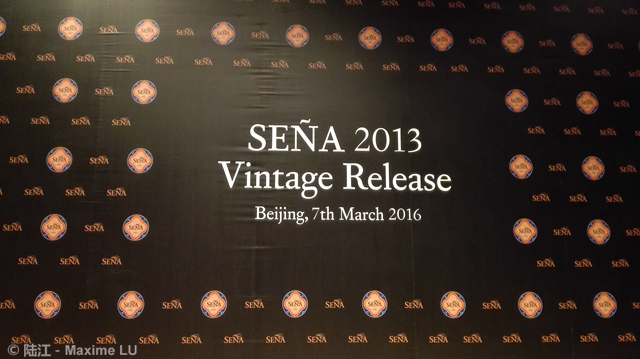
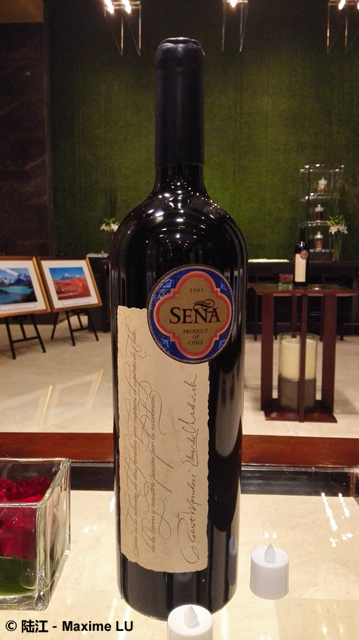
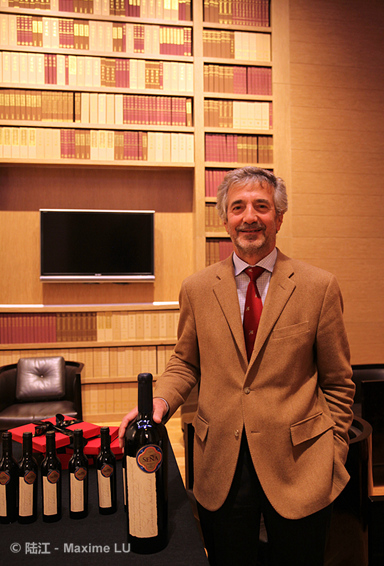
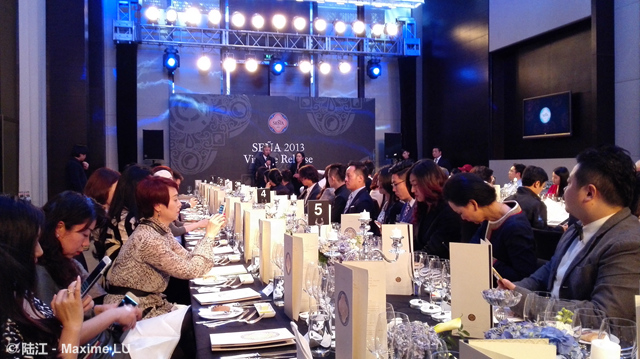
3月上旬,冬末夏初,智利顶级名庄Sena到中国来做2013年份的发布活动。酒庄庄主Eduardo Chadwick Errazuriz也来华主持发布活动。

我一直对他们酒庄的崛起过程,包括销售模式很感兴趣,因为Sena在中国市场表现不错,另外Sena他们的发展经历也可以让本土葡萄酒生产商,从中学习借鉴一下国际名庄的打造过程。正好我们《葡萄酒在线》和酒庄一直都有联络,于是就定下了采访约定。


IMG_7723_副本

2016年3月7日下午,北京柏悦酒店,因为仅有45分钟,我们直接就进入采访主题。

陆江:“先问一些常规信息,Sena的第一个年份是哪年?现在酿酒师是谁?平均年产量多少瓶?葡萄园面积多少公顷?葡萄园葡萄藤大概藤龄?种植密度?每公顷出产多少?是否生物动力、有机或其它?什么时候开始? ”

庄主Eduardo :“Sena的第一个年份是1995,现任酿酒师是Francisco Baettig,平均年产量60000瓶,葡萄园面积44公顷。葡萄藤龄,因为是从98,99年开始陆续种植,所以平均大概10年左右。种植密度5千到7千株每公顷,每公顷产量4吨左右,遵循生物动力理念,从2005开始的。”

IMG_20160307_195935

陆江:“Sena的创立得益于您和加州葡萄酒巨头罗伯特蒙大维(Robert Mondavi)的合作,后来罗伯特蒙大维去世后,你们还和他们有所合作吗?”

庄主Eduardo :“2004年罗伯特蒙大维去世,他的酒庄卖给了星座集团。而我们经营的理念是不想成为大集团的一部分,还是希望成为独立的酒庄,所以我们回购了股份,现在是100%家族拥有。后面也没有继续合作了。”

陆江:“您经常来中国?Sena在中国的市场状况如何? Sena的销售体系是什么样的?”

庄主Eduardo :“每年都会来香港和大陆3-4次。Sena在中国市场的数据连他也没有,因为我们并非直接在中国市场销售。 现在Sena是在法国波尔多发布和交易,像波尔多本地精品酒一般是在4月左右开始期酒销售,而Sena和其它诸如意大利名庄sassicaia等酒都是在9月开始销售。Sena出售的是2年前的年份酒,装瓶是在发布和交易那一年的1-2月开始装瓶,瓶陈6-7月后,到九月发售。如2014年份是今年(2016年)9月出售,是已装瓶的现货。当然这是第一次发布,一般是放出大约80%的总产量,剩余部分一般会有后续销售,酒庄自留和市场推广之用。”

IMG_20160307_194853

陆江:“在波尔多销售,也是采用配额制吗? 有哪些酒商在承销?”

庄主Eduardo :“是配额制,主要是CVBG,LD VINS,Diva,Joanne等中间商。”

陆江:“现在中国市场发展很快,Sena以后会来直接销售吗?”

庄主Eduardo :“从现在看,波尔多的销售体系还是很有效,我们只是个家族酒庄,主要精力放在酿酒上,让专业销售渠道去卖酒,这样会更适合我们。到目前为止还没有直接销售的想法,未来也许会。”

陆江:“我除了是《葡萄酒在线》的媒体工作外,也从事葡萄酒行业的咨询顾问工作。我们在分析葡萄酒商业案例时,也会把Sena等Errazuriz家族拥有的酒庄作为精品酒庄崛起的案例来分析,现在我很想了解您认为Errazuriz家族的酒庄们的崛起因素是哪些?”

庄主Eduardo :“首先是好的风土,著名的智利优质产区Aconcagua就是我们家族最先发现。”

然后Eduardo顺手翻开旁边一本关于他们酒庄的书《The Berlin Tasting》,向我展示里面内容。庄主Eduardo笑着说:“答案都在里面。”然后Eduardo还简单介绍了他的学习工作经历,工程专业毕业后,1983年他加入Errazuriz酒庄,然后他去波尔多学拜访《Le Gout Du Vin》的作者、已故的现代酿酒领域的泰斗Emile Penaud,向他学习经验,还认识了Paul Pontallier(注:玛歌酒庄总经理,2016年3月刚去世)等朋友。Eduardo还周游世界上不同产区,学习了解了现代的酿酒技术,然后回到智利,从此一直在家族的酒庄工作。

庄主Eduardo:“有好的风土,优秀的酿酒师,出产高品质的酒,还需要必要的市场推介。我们2004年做了柏林盲品,在和法国和意大利顶级酒的盲品中我们的酒获得前茅排名,后来10年内又在国际上主要葡萄酒市场的不同城市巡回模拟柏林盲品,结果90%以上的结果都是我们的葡萄酒位列前茅。接下来又拿10个年份做了垂直品鉴和展示,显示我们的酒的强大陈年实力。后期又拿我们的老年份酒和波尔多顶级庄老年份pk,结果也是获得很大成功。至此,我们认为已经无需再去做此类盲品比较,因为已经足够证明我们酒庄出品达到世界一流水准。接下来是向葡萄消费者推广我们的酒。所以品质还是基石,在此基础上做市场推广才是真实有效的。”

IMG_20160307_145107

陆江:“现阶段市场大概有哪些?”

庄主Eduardo:“中国,日本,瑞士,俄罗斯,欧洲,美国(原来曾是酒庄的第一市场,得益于和罗伯特蒙大维的合作),现在是通过波尔多销往全球市场。”

陆江:“您在推动智利葡萄酒发展方面主要做了哪些工作?”

庄主Eduardo:“全力推动20:20智利葡萄酒推广计划,塑造智利葡萄酒的品质形象,而不是单纯做低价低端酒。另外我也是智利葡萄酒协会(Wines of Chile)的主席。”

陆江:“不介意的话,能否给一些中国精品酒庄和产区一些发展建议?”

庄主Eduardo:“因为中国很新,他也没法给具体的建议,总之葡萄酒这是长期的工作,不能急功近利,品质是关键,我们走到现在已发展了35年,中国也一样,有很长的路要走,多尝试,有失败有成功,但一定要有自己的方向,要明白自己想要什么,明白后就去坚持实施。”

IMG_20160307_195956

采访者:陆江(Maxime LU)

– 曾为Decanter亚洲葡萄酒大赛(Decanter Asia Wine Awards),意大利南部葡萄酒大赛(Puglia)、葡萄牙葡萄酒挑战大赛-Wines of Portugal Challenge(Lisboa)等国际国内葡萄酒大赛专家评委;美食美酒旅游类撰稿人,《葡萄酒在线》专栏撰稿人、《Decanter中文版-醇鉴中国》专题撰稿人,《Prowine China》专栏撰稿人,葡萄酒行业咨询顾问,万欧兰葡萄酒教育首席讲师,资深葡萄酒收藏顾问。

Exclusive: Protecting the Champagne name in China

               By Maxime Lu / 陆江

Published on DecanterChina.COM, Chinese version of Decanter.

4 February 2016

With Bordeaux gaining its protected geographic indication (GI) status in 2015, it is believed that the Chinese market, which has grown over 30% in wine import volume and value in 2015, is making progress in protecting the names of the most illustrious wine regions in the world.

Champagne, however, received its GI protection in China two years earlier. Being one of the first French wine regional bodies to set up an office in China, the CIVC shares its experiences in defending the name ‘Champagne’ in the country and promoting the concept among both trade and consumers.
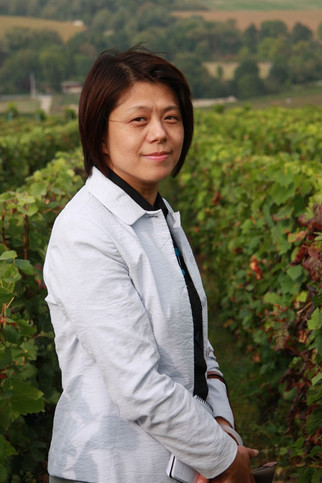
134738_champagne-civc-wang-wei

Image: Wang Wei, representative of the Comité Champagne (CIVC) in China

What the GI does

A geographic indication (GI) is a ‘clearly defined, specific place of origin,’ explained Wang Wei, representative of the Comité Champagne’s China office.

‘The unique local geographic environment brings particular characteristics to its product, therefore only this area is granted the right to use a specific name. The concept came from Europe but is now used globally,’ she added.

Champagne gained its GI status in the early 20th century. It is one of the first wine producing regions to receive such recognition, introduced CIVC.

For an immature market like China, a GI is a helpful guide for consumers as it ‘suggests the style and features of the region, and provides some guarantee to the quality’, said Wang Wei.

‘When seeing the name “Champagne”, you will know that the wine has bubbles, and was made by fermenting in the bottle; also it suggests that the wine was made under strict regulations in grape selection, production and winemaking,’ said Wang Wei.

How to protect a European GI in China

Fresh import figures shows that in 2015, the total value of imported sparkling wines in China was 6m USD, down by 27% compared to 2014.

‘China has never been a major market for Champagne,’ confessed the China representative for the trade body, which set up its office in the country in 2006.

‘However, the Champanions decided that works need to be done to clean up the market environment and set up protections, before a market can really start to blossom for them.’

‘The Chinese market used to be flooded with “big champagnes”, “little champagnes”, “pink champagnes”—anyone could use the name. If we had allowed them spamming the market, consumers could never find out what real champagnes taste like. That’s bad news for any brand to develop naturally and positively in China.’

Among the French wine regions which hold a GI status, Champagne was the pioneer to set up an office in China. Through great efforts and spending a long time, the region was finally granted legal protection by the Chinese authorities in 2013, following Napa (2012).

‘Since then, we were able to take legal actions against the knock-offs,’ she explained.
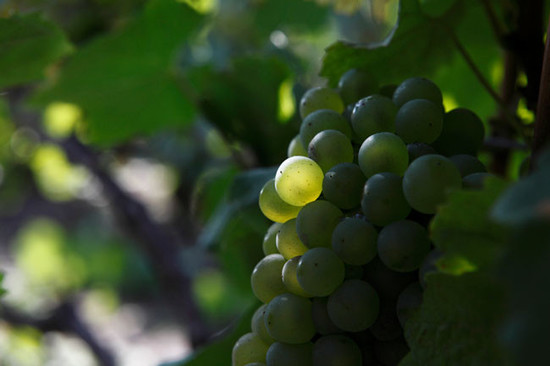
134740_champagne-grapes-chardonnay-credit-decanter

Image: Champagne vineyards © Decanter

For importers of regular sparkling wines who misused the Chinese name for Champagne ‘香槟’ on their labels, the CIVC China office would firstly ‘file a polite letter of notification, stating that this is an act of infringement, and demand them to stop using Champagne on the label. ’

‘Some of them would reply politely, saying that they were indeed unaware of the regulations, and were willing to make corrections,’ said Wang Wei, who considers this ‘a process you have to go through to gain understanding in the trade’. By doing this, ‘we hope to push for the trade to regulate itself,’ she added.

As for the cheap, low-quality knock-offs made by small local wineries, the trade body usually resort to the help of the local government, who can conduct investigations, confiscate the fakes, and urge offenders to stop the production.

Sometimes a fine is imposed. ‘Though the fine won’t be a lot, but it’s more like a statement: the term Champagne can’t be used lightly, and that the Champagne region is very serious about protecting its rights in China,’ said Wang Wei.

‘We are generally content about the progress we made in protecting the Champagne brand in the Chinese market at the moment.’

Promote the concept of geographic indication

Having said that, although the Chinese consumers are more and more conscious about protecting their rights and seeking for heathier and safer products, the geographic indication is still a concept ‘yet to be known by all’ in China, Wang Wei told DecanterChina.com.

‘Different local law enforcement departments don’t always understand the necessity of GI protection in the same way,’ said Wang Wei. ‘Sometimes we have to spend a very long time to explain and provide plenty of evidence, so as to help the local officials to understand what we’re asking for.’

In order to better communicate the concept of Champagne and the EU geographic protection system, ‘in 2015, we used every opportunity, including various government and trade seminars, to promote the idea of GI protection,’ said Wang Wei.
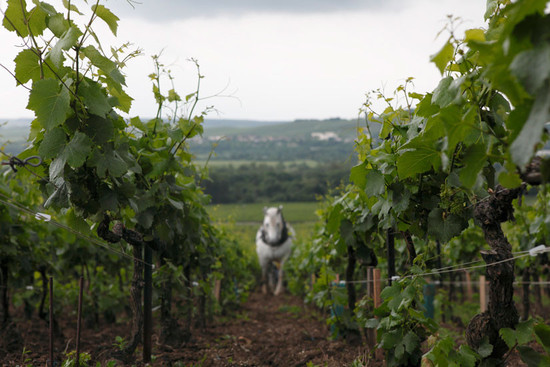
134741_champagne-louis-roederer-horses-vines-cellar-credit-eric-pgrabham

Image: Louis Roederer vineyards and horses, Champagne © Decanter

Educating consumers about Champagne is also an important part of the work, said Wang Wei.

‘There are many ways to spot a fake Champagne, such as via the certificate of origin or information on the wine label. But the consumers need some basic wine knowledge to do that.’

‘Everything we do today is for protecting the value of the ‘Champagne’ brand. The higher the value is the more efficient protection it needs.’

GI protection on China’s domestic products

As one of the pioneers in GI protection in China, the CIVC said that it’s happy to pass on the experiences to China’s domestic products.

‘China has many quality agricultural products that are made in a specific region and hold unique characteristics,’ Wang Wei told DecanterChina.com that due to lack of protection, many of these product or region names tend to be misused in the market. ‘Once the consumers get confused, the credibility of the name will be lost.’

In order to make the GI protection to take effect and bring actual profit to the local people, ‘the authorities need to pay enough attention to it. We will need a more comprehensive legal protection system, and train the law enforcers about the importance of intellectually property rights,’ suggested Wang Wei.

‘Properly reinforced GI protection will directly benefit both producers and consumers. It is also in line with the country’s strategy of sustainable development,’ she concluded.

Translated by Sylvia Wu / 吴嘉溦

Source: https://www.decanterchina.com/en/knowledge/people/region-authorities/exclusive-protecting-the-champagne-name-in-china

All rights reserved by Time Inc. (UK) Ltd. No part of this publication may be reproduced, distributed or transmitted in any form or by any means without the prior written permission of Decanter. Only Official Media Partners (see ‘About Us’ page on the website) of DecanterChina.com may republish part of the content from the site without prior permission under strict Terms & Conditions. Contact china@decanter.com to learn about how to become an Official Media Partner of DecanterChina.com.
京东:中国葡萄酒电商的发展现状(规模与模式篇)

作者: 陆江 (Maxime LU)

(本文已发表于Decanter中文版-醇鉴中国,转载请标明出处和署名)

 近年来中国的葡萄酒市场变化巨大,在线零售业对中国人消费习惯的改变直接反映到了葡萄酒行业,葡萄酒电商成为葡萄酒销售的重要渠道之一,也是增长最快的渠道之一。

DecanterChina.com撰稿人陆江,独家专访中国最大的电商之一京东(JD.COM)的葡萄酒业务负责人赵大彬,听他详细介绍京东葡萄酒业务的发展现状以及面临的挑战。

134951_jd-com-zhao-dabin-liu-qiangdong-twe-signing-cropped

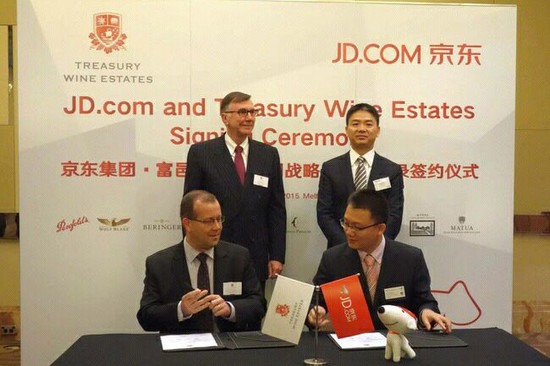
图片:京东集团葡萄酒部门负责人赵大彬(右下)与京东董事长及CEO刘强东(右上)与澳大利亚富邑集团(Treasury Wine Estates)签署合作协议。

销售模式和规模

京东开展葡萄酒业务始于2010年底。葡萄酒业务负责人赵大彬介绍说,京东的葡萄酒业务分两种模式:一个是自营模式,也就是从进口商或国外直接采购,加一部分利润卖出去;另一个是平台模式,即招一些商家开店,以他们自主经营为主,类似“购物中心(shopping mall)”。

葡萄酒自营和平台渠道(销售额)相加,目前约占京东各类酒种的四分之一。2016年,京东预计在酒类产品取得105亿总销售额。赵大彬介绍道,无论自营还是平台,“中国白酒还是占到主导”。

2015年,京东葡萄酒自营部分销售额超过人民币4亿元,2016年预计达到12亿,平台部分则预计达到15亿左右,“是2015年的3倍”。不过这个预计可能“有点保守了”,赵大彬表示,截止到2016年1月20号,京东自营葡萄酒部分的销售额已经达到一个亿,“一月份是去年(同比)的四倍”。


自营和平台

尽管自营部分发展迅速,赵大彬认为京东自营业务和平台(其他进驻商家)“还没有到针锋相对矛盾的状态”。

首先,适应自营和平台两种模式的葡萄酒产品有所不同。“不是所有的品牌都能做自营的。”赵大彬表示,京东自营葡萄酒不仅需要提供“固定的毛利共享”,销售额也必须“跟上脚步”,京东则会对这些品牌的表现进行评估,也会淘汰一些表现不好的品牌。

目前平台的经营规模相比自营“略大一点”。越来越多商家自主进驻京东销售葡萄酒,或由京东招商进驻,“商家的数量决定了我们平台的成长性”,这与京东本身的业务经营模式是同样的,赵大彬表示。

京东葡萄酒的消费受众现阶段主要集中于北京、上海和广东,以上班族人群为主,赵大彬介绍道,京东准备在2016年下半年“深入到农村,渠道要下沉,到三四线城市”。

“目前葡萄酒消费者还处于初级的入门阶段,葡萄酒品牌也非常多。”而京东为数众多的会员中“仅有百分之三到四的人在买葡萄酒”,赵大彬认为,这意味着其中还有很大的开发空间。


国产酒vs进口酒

2015年中国葡萄酒进口明显回升,加之中国与澳大利亚签署自由贸易协定,中国本土酿酒商被认为将面临更大的挑战。

目前京东自营部分国产葡萄酒占销售额的30%,进口葡萄酒为70%。赵大彬表示“30%在电商里还算做的比较大的”,他认为天猫,一号店等其他电商平台销售的国产葡萄酒比例更低。而平台部分,国产品牌占比约在15%左右,“主要是进口酒”。在销售数量上,“国产酒比进口酒要稍微多一点点”。

尽管进口葡萄酒势头强劲,国产葡萄酒在三线四线或更小的城市依然拥有极大的消费量,“进口酒还是进不去”赵大彬介绍道,“但对于一二线城市来讲,进口酒越来越接近他们的市场占有率,经常五五分。”

面对这样的市场现状,本土酿酒商正在寻求业务的拓展,张裕集团以及拥有长城品牌的中粮集团均已投入进口葡萄酒业务。

尽管如此,“在京东葡萄酒定期发布的排名里,张裕和长城都能进葡萄酒品牌销售排名的前三位,国产这两家占国产葡萄酒总额的90%以上。”赵大彬表示。


最畅销的葡萄酒价位

在主要进口葡萄酒来源国中,在京东的销售排名从高到低为法国,澳大利亚,智利,西班牙,意大利和美国,赵大彬介绍道,销售量最高的是“50元以下”和“50元到100元”两个价位段。

50元以下的葡萄酒以西班牙日常餐酒为主。50元到100元的价位可见拉菲罗斯柴尔德集团(DBR)旗下的部分产品、澳大利亚Penfolds洛神山庄(Penfolds Rawsons Retreat)、黄尾袋鼠(Yellow Tail)以及智利甘露集团的红魔鬼(Casillero del Diablo)等品牌。

赵大彬表示,自营葡萄酒产品中,100元到200元之间的葡萄酒销售提升明显。“我们做直采,既是进口商,又是面对消费者的零售商,我们加利润不多,这价位段本身也是整个市场的重点需求范围内的。”

200元到500元是京东在精品葡萄酒(Fine Wines)上重点发展的价位。赵大彬认为,2015年以及2016年春节的销售显示了这个价位的潜力。“所有电商不可能只卖入门级的低端产品,未来需求都要往上拓展。”


反三公与经济发展放缓的影响

和一些传统高端酒商不同,反“三公”政策“对我们没有一点负面影响,反倒对我们有促进作用。”赵大彬表示。

“三公限制主要限制的是一些中高端价位的产品,对于我们京东来讲,我们是一个零售商,目标人群是大众消费者,市场定位正好错开。而且因为中高端产品泡沫基本被打掉了,价格回归理性。越来越多的人追求性价比,其实对我们有很好的促进作用。整个行业虽然增长受挫,可我们京东葡萄酒业务从2014到2015增长了三倍。”


筛选供货商

京东葡萄酒业务已开展五年,赵大彬认为目前面临的最大问题是上游供货商跟不上其快速的增长。供货商“没有那么好的前瞻性”,在供应酒的种类、库存数量等方面“不一定跟得上”。

面对这一挑战,2016年京东准备对目前的1300个SKU(最小存货单位)细分到产区进行评估,“优中选优,再精简品牌,最后是精简供货商”。但是业务调整并不会影响增长速度,赵大彬表示,葡萄酒业务“会保持在百分之三百到四百的增长速度”。


2016年市场趋势

赵大彬认为,2016年中国葡萄酒市场整体发展“速度不会是爆发”,“消费者数量还是少,现在还是要鼓励消费者去喝酒,同时尽可能控制各环节的成本,为消费者提供实在的价格。”

(采访和撰文:陆江Maxime)

DecanterChina-new-logo-for-WeChat-narrow-ver

*点击 http://www.DecanterChina.com 查看原文,查询身边的优质葡萄酒,读遍名家专栏,学练WSET知识点,阅览海内外葡萄酒信息。DecanterChina.com是1975年创刊的国际葡萄酒权威媒体Decanter为日益成长的中国葡萄酒爱好者量身打造的中英文双语网站。

跟陆江老师看香港国际美酒展2015(上)

第八届香港国际美酒展于2015年11月5至7日在香港会议展览中心举行。作为一年一度必须参加的亚洲区的美酒盛会,如果你不知道从哪里逛起,不妨跟着美酒达人陆江老师的足迹走走看看:

图文:陆江(Maxime LU) | 葡萄酒在线

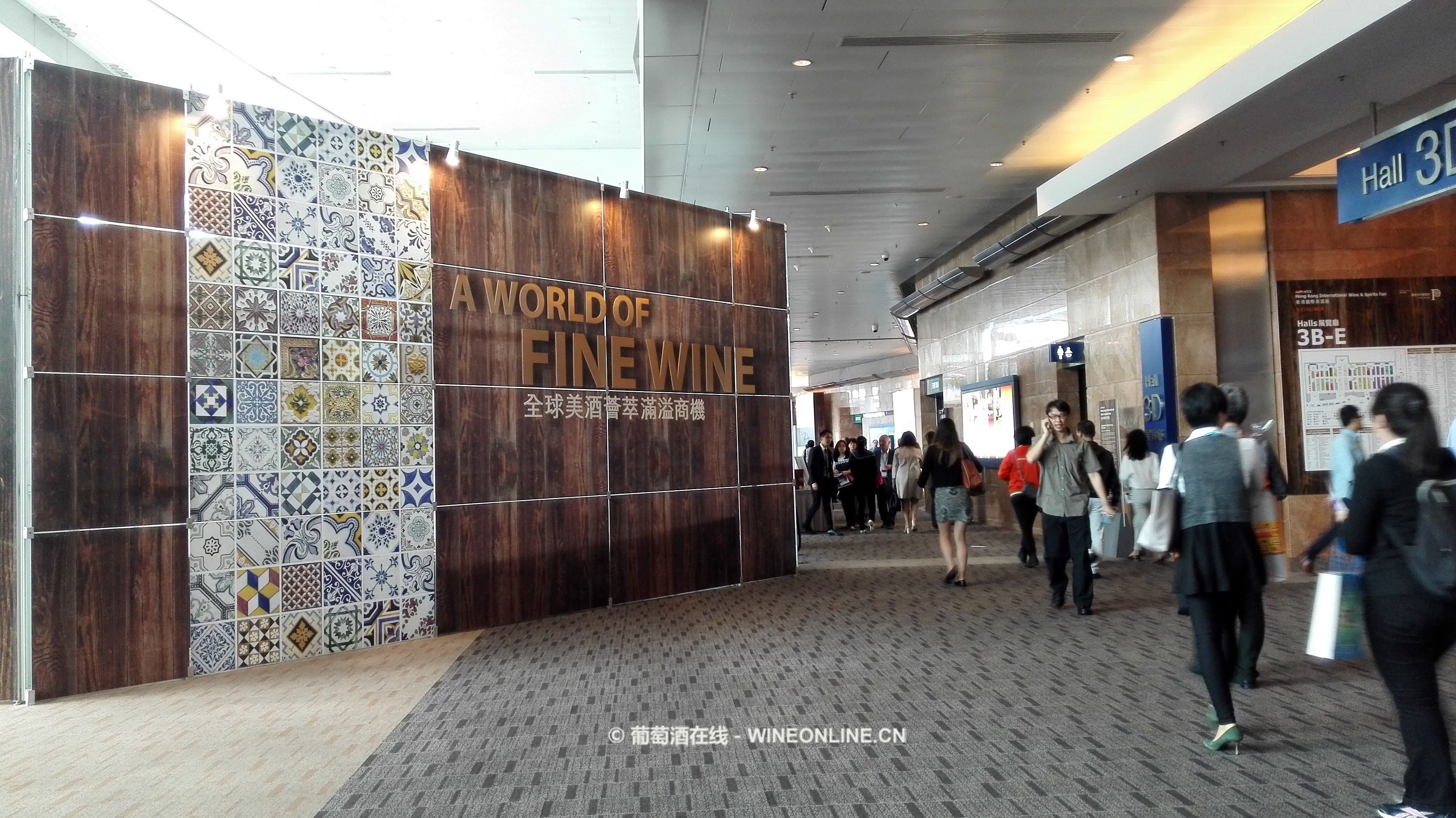
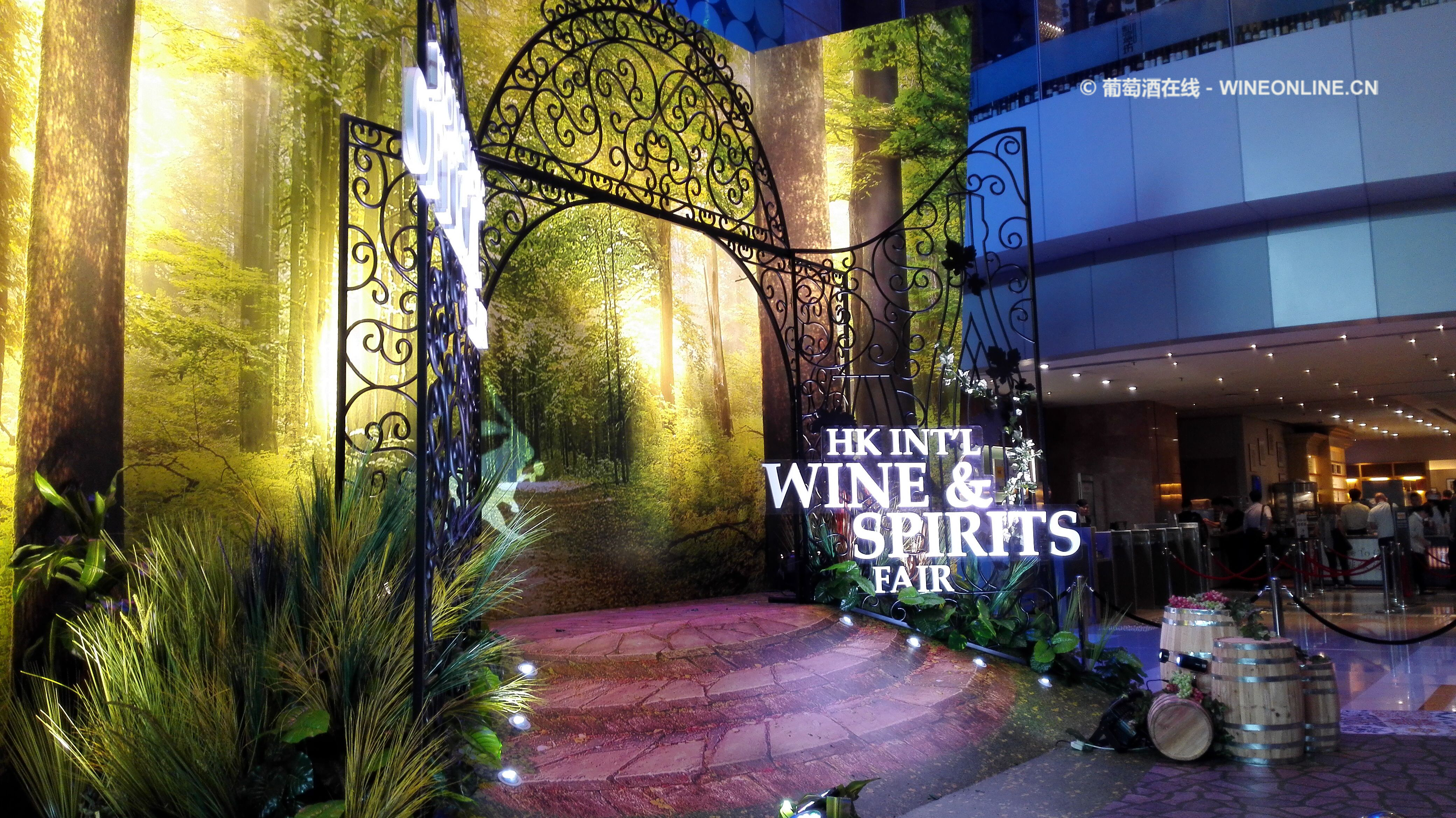
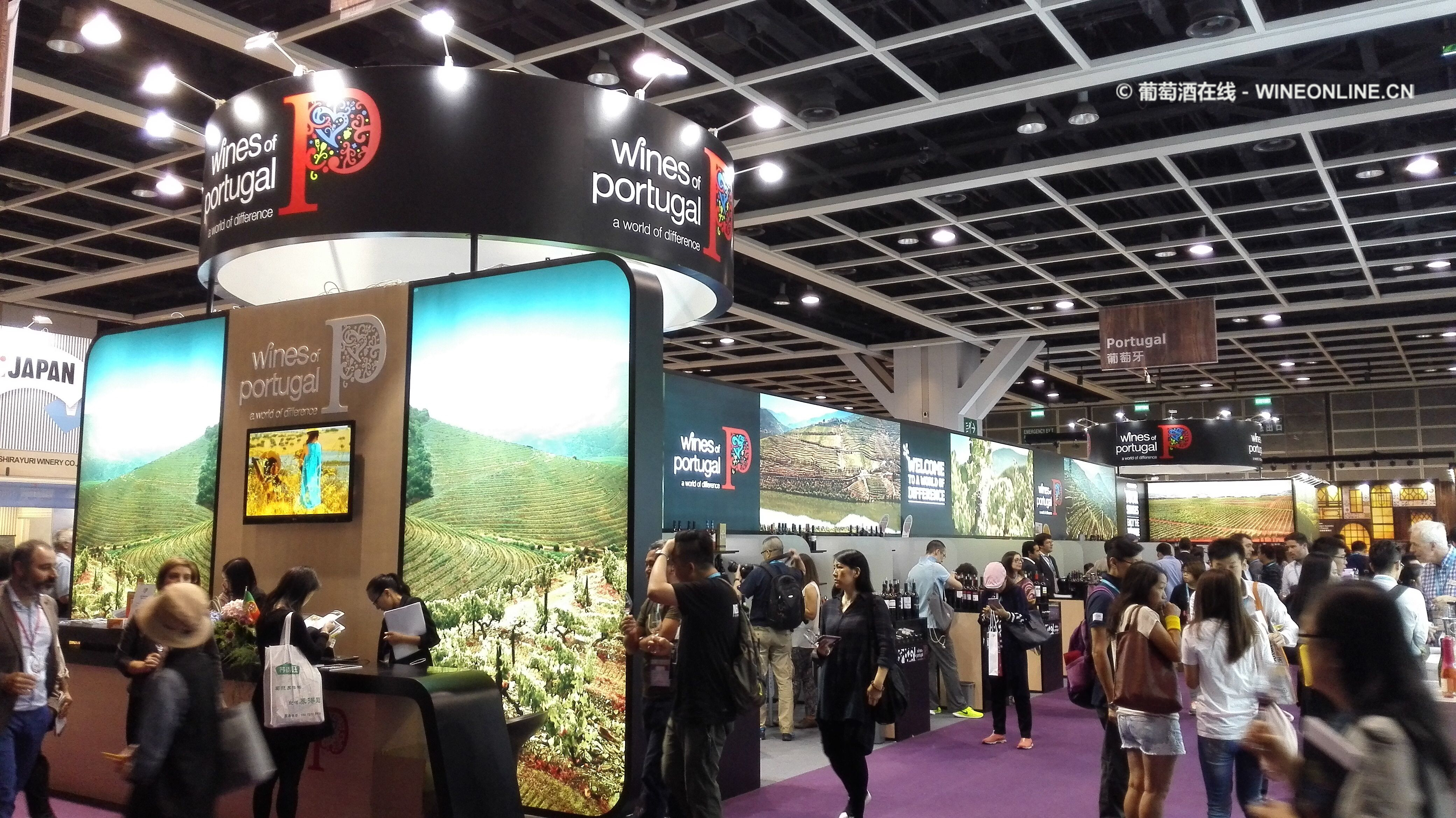
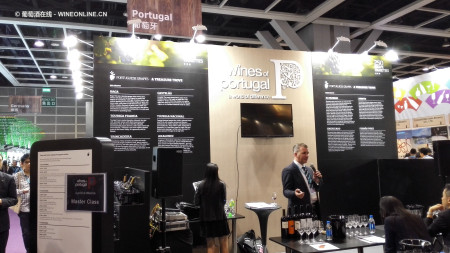
今年的布展又有新设计—— 葡萄牙是今年的主宾国,所以有了熟悉的葡萄牙元素:瓷片图案。这让人喜欢的调调让我回想起游走过的葡萄牙波特城市区。


3

5

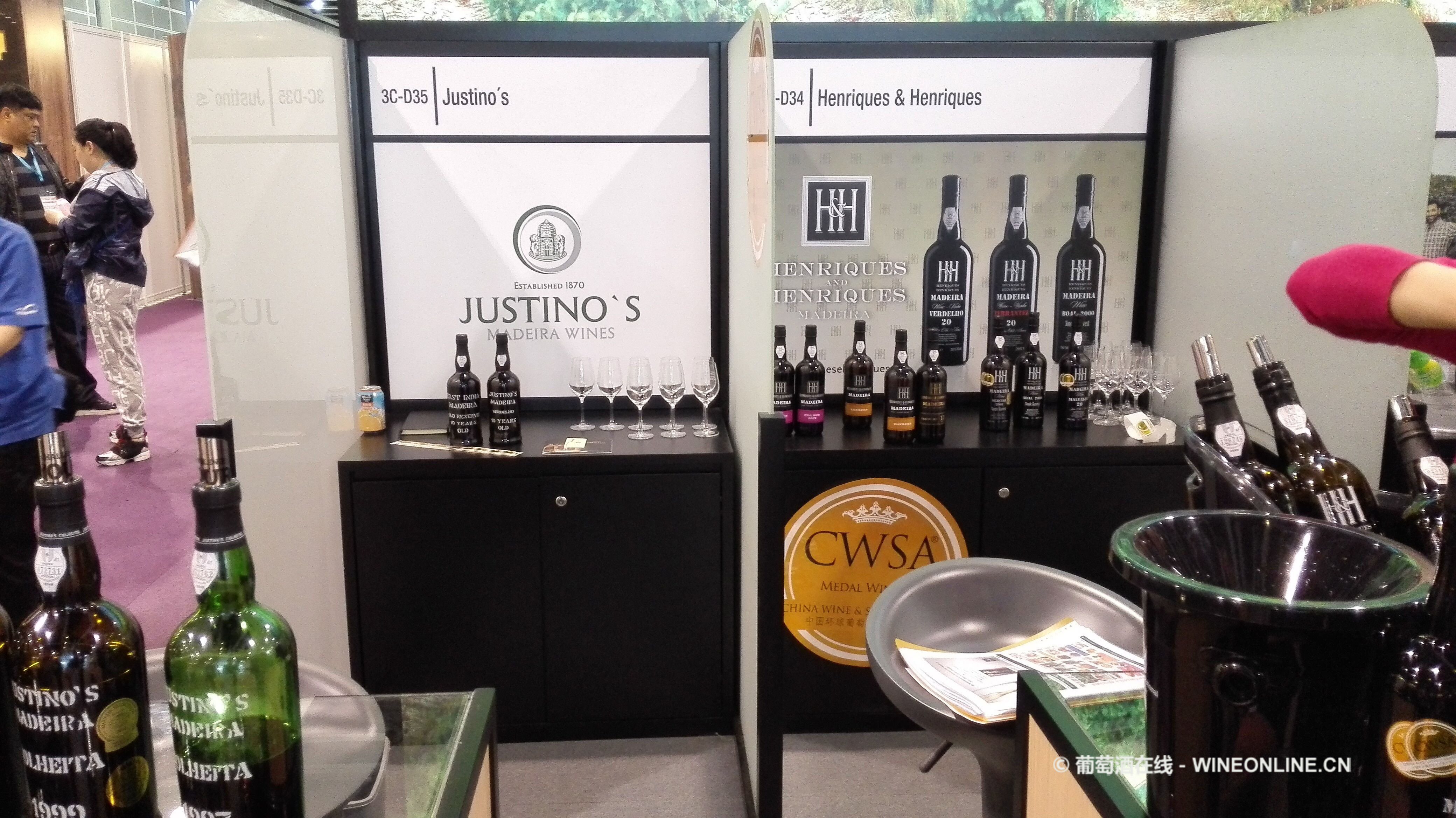
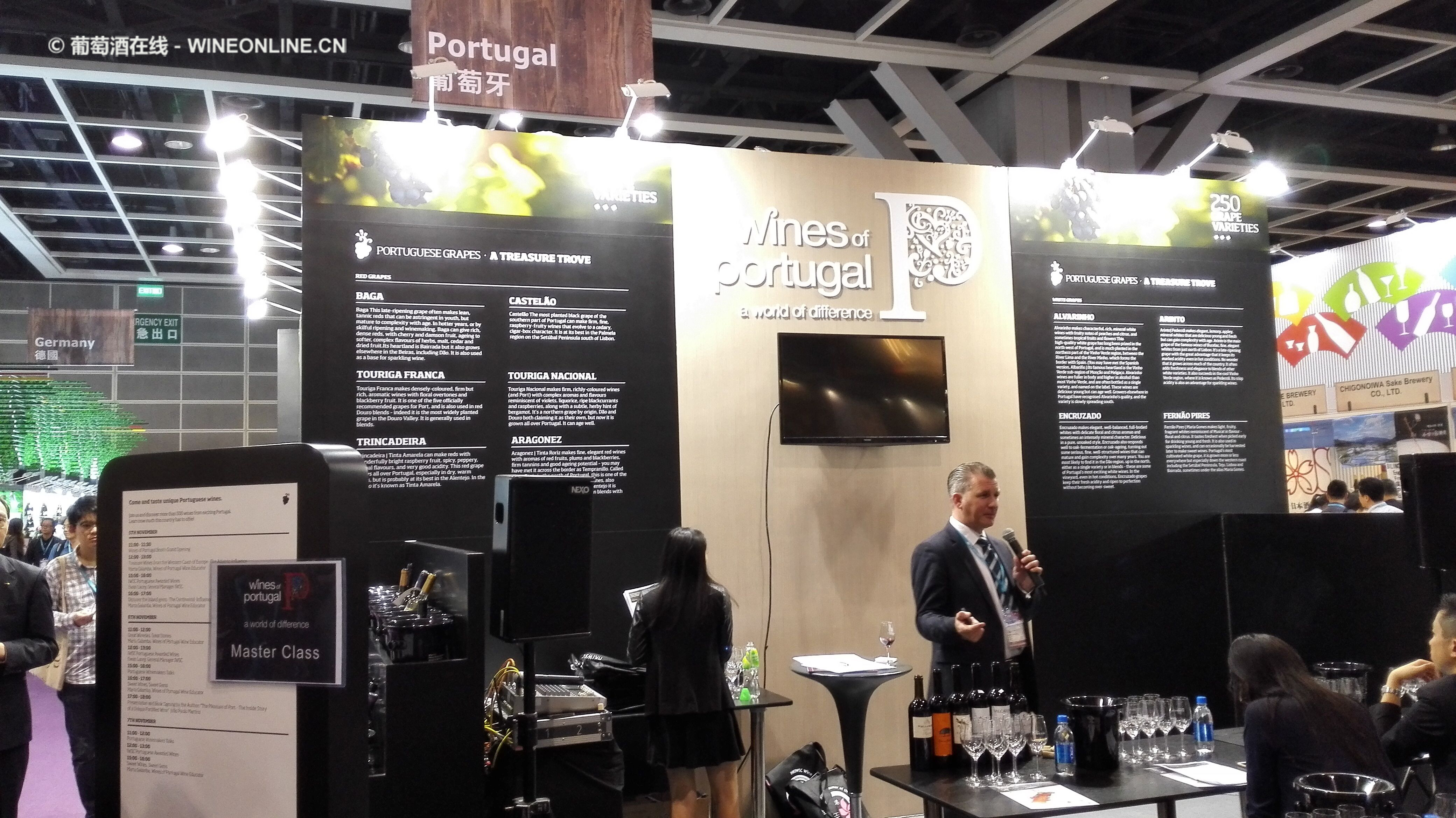
主宾国气场强大,大师班内容丰富。此外展台中还有不少葡萄牙的名厂,巨头Sogrape也赫然在列。马德拉Madeira生产商:H&H和Justino’s都有到场——不过年份马德拉都没舍得拿出。


7 8

11

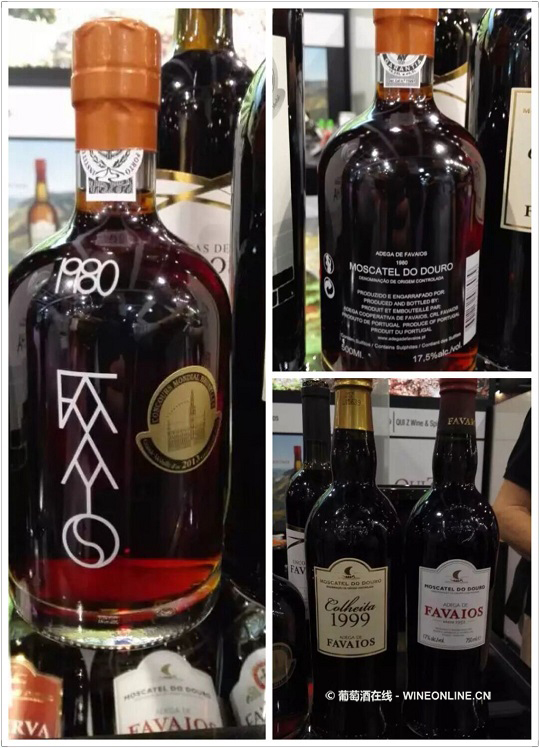
Moscatel do Douro生产商也来了,真是让我意外惊喜。这家Adega de Favaios, 位于杜罗河谷Favaios,距离Pinhao10公里。Colheita 1980,茴香甘草香料,蜜枣烟熏气息,集中平衡。性价比很高的酒种。

10

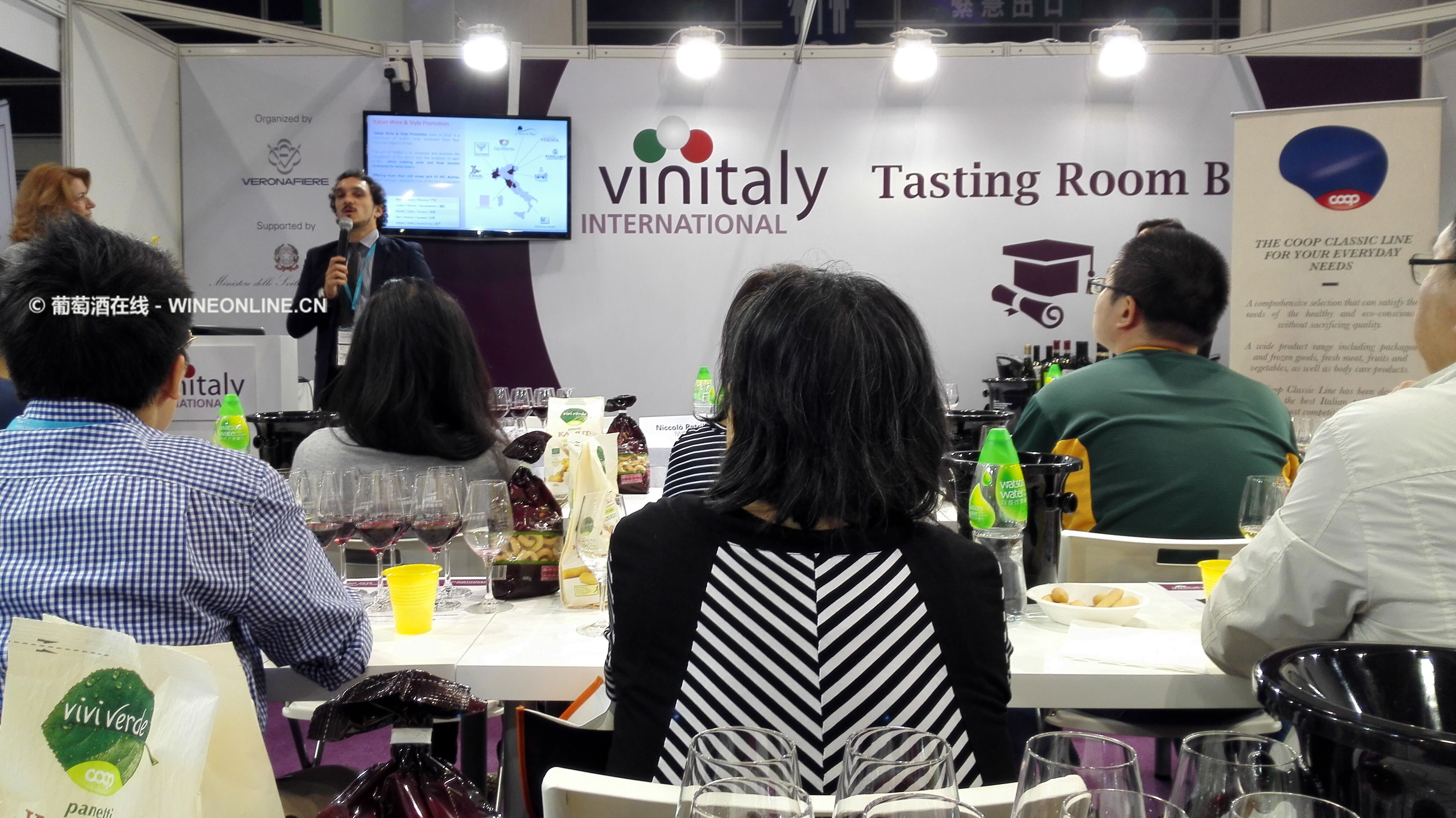
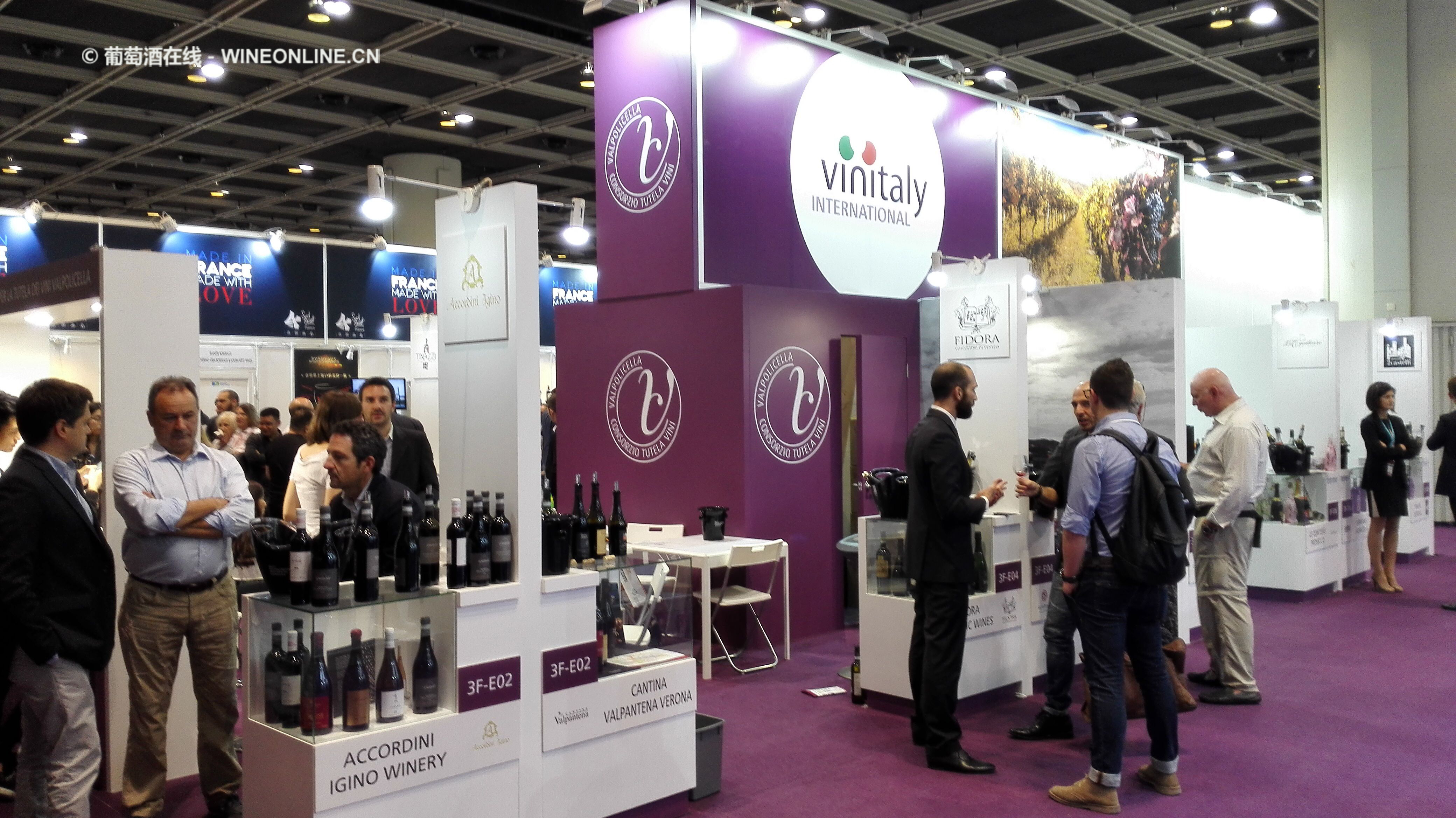
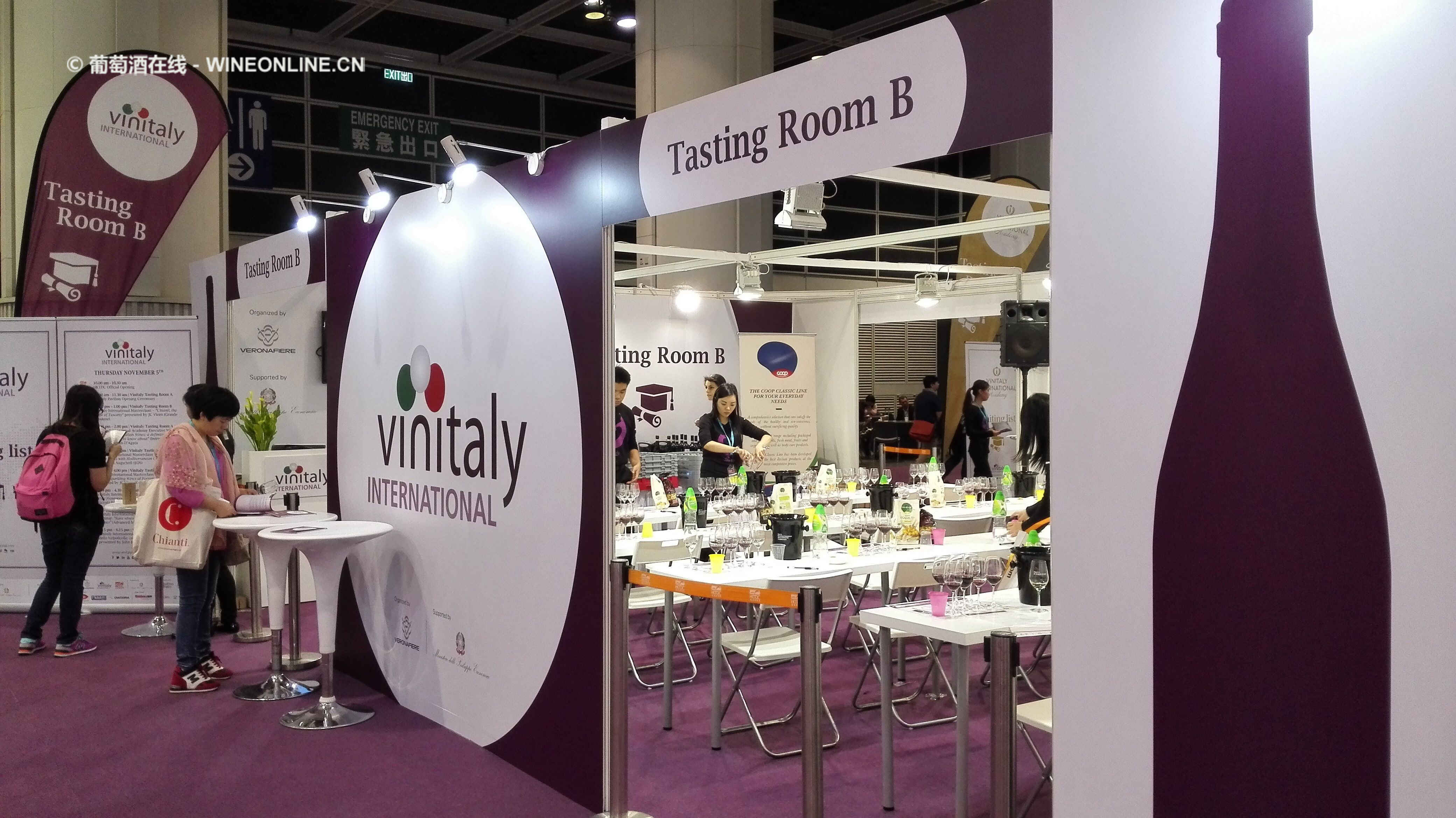
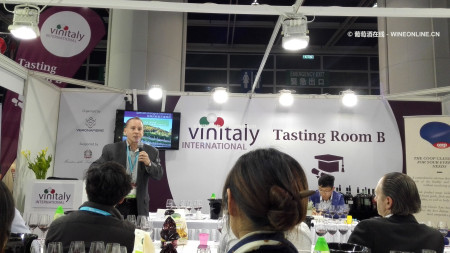
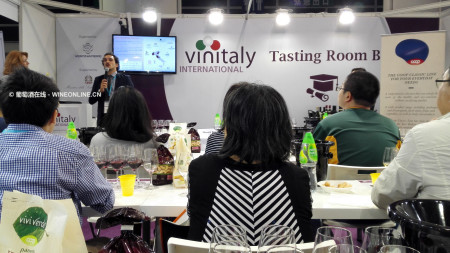
Vinitaly International的讲座不少,覆盖不同受众,“Italian wine & Style promotion,a new wine world”。8款不同风格和区域的酒,典型,对了解意大利产区风格来说,还是有点意义,讲座内容很适合初学者。


13

14

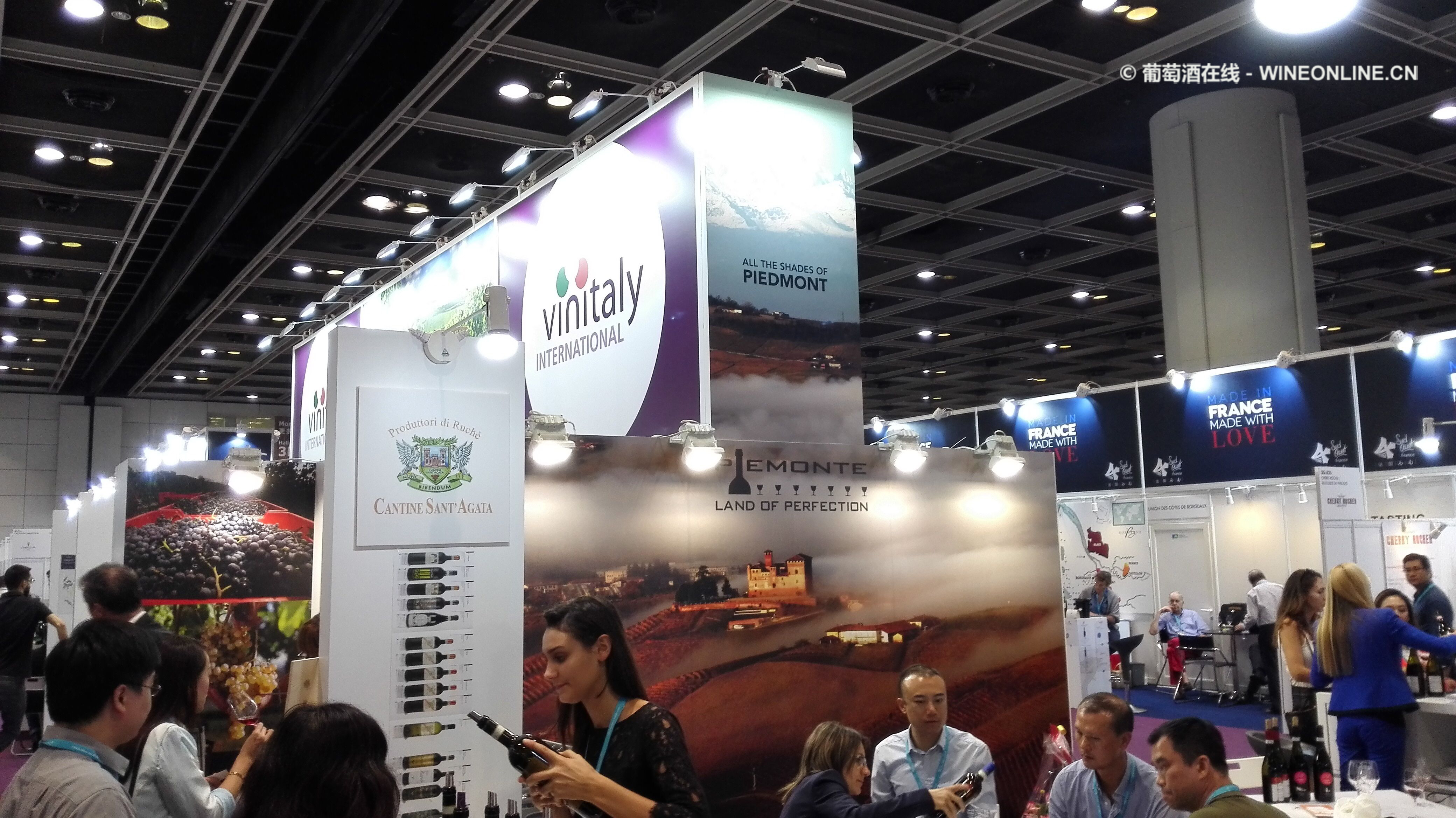
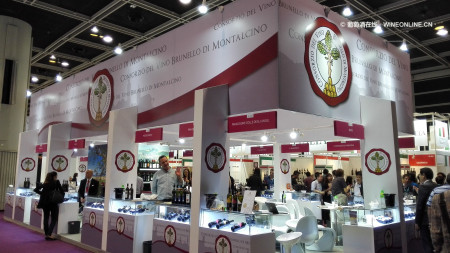
当然这也能看出意大利葡萄酒行业对中国市场的潜力寄予厚望。意大利东北、西北  、中部、南部等区里最主力产区( Piedmont, Valpolicella,Chianti,Brunello di montalcino,Alto adige,Umbria等) 都有参展。

15

16

20151107144522

和相熟的酒圈朋友交流,都认为内地葡萄酒从业者来港逛展人数有明显减少。可能与紧接着的上海的Prowine China,以及越来越多的国际酒业活动如Decanter等都选择在上海举行有关。看来,尽管有着关税商检等壁垒,国际酒业机构和大腕们仍然都把目光直接投向内地,大中华区葡萄酒烈酒中心移往上海已是趋势。

17

20  21


22

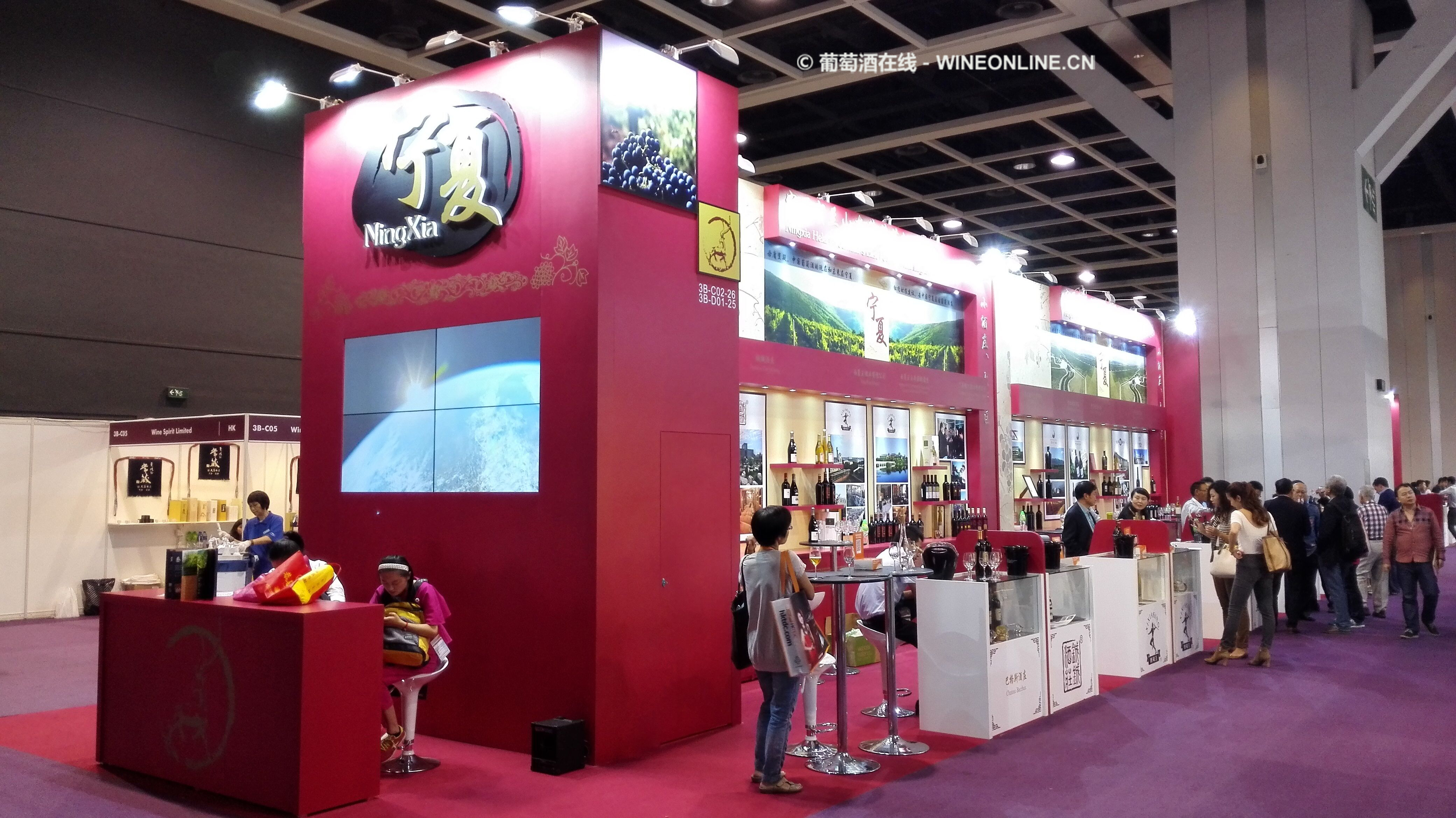
中国酒庄也有抢眼亮相。非常赞赏宁夏贺兰山产区努力走出去,在国际舞台展示自己实力,很棒的意识!嗯!不过还是要提一下,宁夏展区主迎宾展台的工作人员实在需要注意形象,你可以不需要高颜值,但精气神还是要有,而且迎宾展台的杂乱实在是很容易从各产区中“脱颖而出”。产区形象塑造就是要在这点滴中积累的。

23

香港国际美酒展2015,可以看出各国产区对葡萄酒教育在市场推广中的作用,还是非常看重。贴一些讲师的风采照片,其中不乏活跃在本区内的本地讲师。

11

last

13

未完待续,下篇预告:跟陆江老师看香港国际美酒展2015(下)

欢迎微信搜索【万欧兰葡萄酒俱乐部】或【wineclos】,关注我们公众号,我们有国际国内热点的葡萄酒资讯和专家观点,还有有趣好玩的美食美酒旅游活动。

陆江(Maxime LU)

– 国际国内葡萄酒大赛专家评委,《葡萄酒在线》专栏作者,美食美酒旅游类撰稿人,万欧兰葡萄酒教育首席讲师,资深葡萄酒收藏顾问。