Wine Market and Education Promotion in China

Wine Market and Education Promotion in China

 – LU Jiang (Maxime) / WineOnline.CN –


Due to the great potential and rapid growth of China’s wine market, the past decade has witnessed the attention and participation from most wine producing countries worldwide. Much investment has flown into the market. However, in 2012 the Chinese government has adopted the policy of restricting three public consumptions (oversea trips, vehicles and banquets). Furthermore, sluggish economic growth and rash investment in the sector has made conducting business in China’s wine market a bleaker landscape more challenging. Wine imports have decreased by 4.46% (YOY) in 2013 and by 12.8% (YOY) in the first half of 2014.

Official and corporate consumption used to be the bulk of Chinese wine sales. Corporate purchases, gift-giving and dinners occupied the lion’s share of the market. By restricting three public consumptions combined with a stagnating economy, the relevant market share shrank dramatically. Individual consumption has become the focus of the market. The market changed unexpectedly and eventually experienced a hard landing. During the change, many dealers suffered greatly as they relied heavily on corporate or official consumption. Sales dropped remarkably and some dealers even retreated from the Chinese market. Nevertheless, the outlook for the industry is mixed. In short term, the drastic changes will unsettle dealers, but in the long run the industry’s hard landing and the value return will contribute to a healthy contraction and eventually higher quality standards of the Chinese wine industry.
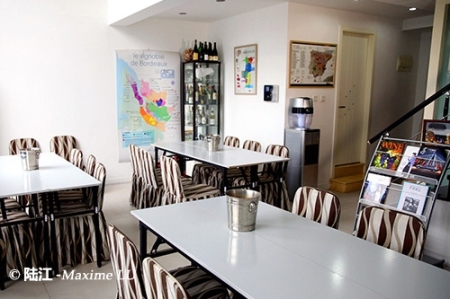
14103856224

As for individual consumption and the market orientation for value return, some witty entrepreneurs have acted swiftly. Over the past year, they have flexibly readjusted the pricing and sales strategies to cater for personal consumption. On the other hand, they have improved marketing strategies and taken measures to explore the market against the bleak backdrop. They, in particular, have devoted much effort in education campaigns by cultivating regular customers and newcomers, creating demand and exploring new fields of consumption. Leading wine import businesses like ASC, Aussina World Wines, yesmywine.com and Vats Liquor have put much effort into capacity building in their education teams or marketing departments. They have initiatively cooperated with others to conduct standard systematic courses, different courses on wine regions and various master courses. Their efforts pay off in the promotion of enterprises and brands and customer development.

Although the wine market’s outlook seems to be grim in terms of imports and exports as a whole, the market is becoming more rational. The stockpile out of indiscriminate purchase is being consumed this year, as we can see from a lot of leftover stock or bargains. Actually, personal consumption has increased obviously, which can be seen by soaring e-commerce sales. On the other hand, the burgeoning growth of the wine education market manifests this trend. Master courses and courses on wine regions are on the rise. There are participants of wine systematic courses. Take WSET course from Britain as an example. After the past decade’s growth, especially for the last 2-3 years, their student numbers have increased rapidly. Nowadays, China is one of the largest providers for WSET students. Due to the strong demand, sites of lecturing are on the rise.

Meanwhile, oversea wine producers are trying to break bottleneck in an effort to pursue larger market shares in China. Among their efforts, official courses on winegrowing regions and master courses lectured by international wine masters are effective in practice. France and Australia, top sellers in the Chinese market, are two leading promoters for courses on wine regions.

France found its way into China in the late 1990s. As a pioneer of introducing courses  on wine growing regions, France has initiated accreditation of lecturers of the Bordeaux Wine School and introduced official courses in 2007. Professionals with industrial influence have turned to be official lecturers-promotion ambassadors. Dozens of those official lecturers are required to offer training programs of certain amount. In that way, they pass on their expertise on wine growing regions to industry players and wine fans across the country. This mode is copied by other wine growing regions. Australia’s A+ course of wine growing regions is the most successful one. Powered by more lecturers’ support and incentives, Australia’s A+ course of wine regions caught up with their Bordeaux counterpart within a short period of time, eventually even surpassing the latter. Australia’s efforts pay off in the market. Besides, wine growing regions or vineyards can offer master courses and organize tasting parties by influential exhibitions or cooperation with local education institutions. They can select particular approaches (like wine lecturers, the media and consumption opinion leaders) to yield favorable results, like the wine courses in the upcoming ProWine China.
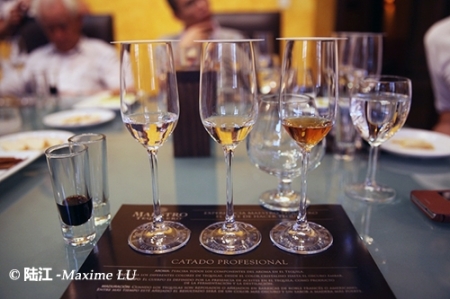
14103926631

China’s wine market is currently in a turmoil. Nevertheless, there are signs of great potential and burgeoning growth. One of the major driving forces is wine education for consumers and industry players. Wine education will make the market more rational and healthier and will also offer more business opportunities.
中国葡萄酒市场与教育推广

中国葡萄酒市场与教育推广

 陆江(Maxime LU)/ 万欧兰文化

本文版权属于Prowine China,转载请标明出处“Prowine China”


近十年来,中国葡萄酒市场以其庞大市场潜力和较快发展速度,受到全球大多数产区国的重视和努力介入,也吸引了不少资本进入这个市场。但是从2012年开始,中国政府采取限制三公消费的政策,加之近年来经济增速放缓,以及行业浮躁盲目的冒进积累,导致中国葡萄酒市场快速进入回调期。2013年葡萄酒进口总量,相比2012年下降4.46%,而今年2014年上半年的葡萄酒进口量与去年同期相比下降了12.8%。  

  原来葡萄酒市场主要聚焦在公务消费和集团消费上,团购送礼宴请占主要市场份额,现在随着三公限制和经济走缓后,这块市场急剧萎缩,这时个人型消费又重新回到市场关注焦点。而现在面临的市场调整,之所以表现那么惨烈,是因为市场环境变化突然,其效果有点硬着陆的意味。在这剧变中,不少商家受到冲击,尤其是太过依赖团购或公务消费的酒商,业绩影响显著,少数遭受灭顶之灾。不过对于中国葡萄酒市场,其实是有利有弊。在短期内它会是个剧烈阵痛,从长远来说,提前到来的硬着陆,以及价值回归,对整个行业的拨乱反正效果也很明显。  

14103856224

葡萄酒教室/陆江摄

面对个人消费和价值回归的市场发展方向,行业里一些有远见的企业反应迅速,过去一年中,一方面灵活调整价格体系和销售方式以适应个人消费的特点,另一方面,调整市场推广策略,在不景气的行情中积极采取措施,挖掘市场,尤其是通过加大不同形式的葡萄酒教育力度,开发培养新老客户,创造需求,挖掘新的消费点。像进口葡萄酒行业里的翘楚企业ASC,富隆,也买网,华致等都明显加大提升葡萄酒教育团队或市场部门的专业能力的力度,积极对外合作,从常规的葡萄酒系统课程,到不同的产区课,还有丰富多样的大师班,在企业和品牌推广、客户开发中达到事半功倍的效果。  

  另外,整体葡萄酒市场虽然从进口额和进口量上看似不太景气,可事实上现在市场开始理性,前几年冲动盲目压的货数量不少,今年都在消化调整中,看市场里冒出数量不少的尾货或甩货就能大概知道原委。其实个人消费量的增加也很明显。这点可以从主要面向个人消费的葡萄酒电商的销售量的持续快速增长,窥豹一斑。另一方面,从葡萄酒教育市场本身的蓬勃发展也能看出端倪。各地大师班,产区课的开课数增长迅速。还有葡萄酒系统课程的参与者,以英国WSET课程为例在大陆短短十年左右的发展,特别是最近两三年,学生数量增长快速,现在中国市场已是WSET的全球最大生源国之一,由于需求旺盛,各地授课点的数量还在不断增加。 


14103926631

品酒会/陆江摄 

  与此同时,在中国葡萄酒市场中意图分取更大份额的国外产区也在寻求突破口,其中官方产区课,以及国际葡萄酒大师开设的大师班,就是行之有效的突破方式。现在中国市场上销售额占据前两位的法国和澳大利亚,就是产区课推广中的佼佼者。 

  法国从上世纪九十年代末就开始进入中国市场,是在中国最早实行产区课程教育的国家,尤其在2007年开始进行的波尔多葡萄酒学校讲师认证项目和官方课程的推出,将业内有影响力的专业人士变为波尔多的官方讲师-推广大使,这分布各地的数十位官方讲师每年有相应的培训量要求,从而通过几十位的讲师将产区知识不断地传播到全国各地的从业者和葡萄酒爱好者。这一模式也逐渐被其它产区在借鉴,其中最成功的是澳洲A+产区课程,他们用更多的讲师支持力度和激励机制,使澳大利亚A+课程的推广效果在很短时间内就赶上波尔多,甚至有超越之势,当然市场也给了相应的回报。此外产区或葡萄酒庄,也可以采用和有影响力的展会,以及本地教育机构合作的形式,开设大师班,品鉴会等形式,选择特定的传播受众,如葡萄酒讲师,媒体,消费意见领袖等,也能收到上佳的效果。如在即将到来的ProWine China酒展上就会有相应的葡萄酒课程。  

  中国葡萄酒市场似乎是萧条冰封之际,可冰层下面蕴含着勃勃生机和蓄势待发,这主要推力之一,就是对消费者和从业者的葡萄酒教育。葡萄酒教育能让这个市场更加理性,更加健康,也更有商机。


Prowine China展会期间的同期活动的介绍页面链接:http://www.prowinechina.com/channels/169.html                           


Wine Market and Education Promotion in China

 – LU Jiang (Maxime) / WineSchool China –


Due to the great potential and rapid growth of China’s wine market, the past decade has witnessed the attention and participation from most wine producing countries worldwide. Much investment has flown into the market. However, in 2012 the Chinese government has adopted the policy of restricting three public consumptions (oversea trips, vehicles and banquets). Furthermore, sluggish economic growth and rash investment in the sector has made conducting business in China’s wine market a bleaker landscape more challenging. Wine imports have decreased by 4.46% (YOY) in 2013 and by 12.8% (YOY) in the first half of 2014.

Official and corporate consumption used to be the bulk of Chinese wine sales. Corporate purchases, gift-giving and dinners occupied the lion’s share of the market. By restricting three public consumptions combined with a stagnating economy, the relevant market share shrank dramatically. Individual consumption has become the focus of the market. The market changed unexpectedly and eventually experienced a hard landing. During the change, many dealers suffered greatly as they relied heavily on corporate or official consumption. Sales dropped remarkably and some dealers even retreated from the Chinese market. Nevertheless, the outlook for the industry is mixed. In short term, the drastic changes will unsettle dealers, but in the long run the industry’s hard landing and the value return will contribute to a healthy contraction and eventually higher quality standards of the Chinese wine industry. 

As for individual consumption and the market orientation for value return, some witty entrepreneurs have acted swiftly. Over the past year, they have flexibly readjusted the pricing and sales strategies to cater for personal consumption. On the other hand, they have improved marketing strategies and taken measures to explore the market against the bleak backdrop. They, in particular, have devoted much effort in education campaigns by cultivating regular customers and newcomers, creating demand and exploring new fields of consumption. Leading wine import businesses like ASC, Aussina World Wines, yesmywine.com and Vats Liquor have put much effort into capacity building in their education teams or marketing departments. They have initiatively cooperated with others to conduct standard systematic courses, different courses on wine regions and various master courses. Their efforts pay off in the promotion of enterprises and brands and customer development.

Although the wine market’s outlook seems to be grim in terms of imports and exports as a whole, the market is becoming more rational. The stockpile out of indiscriminate purchase is being consumed this year, as we can see from a lot of leftover stock or bargains. Actually, personal consumption has increased obviously, which can be seen by soaring e-commerce sales. On the other hand, the burgeoning growth of the wine education market manifests this trend. Master courses and courses on wine regions are on the rise. There are participants of wine systematic courses. Take WSET course from Britain as an example. After the past decade’s growth, especially for the last 2-3 years, their student numbers have increased rapidly. Nowadays, China is one of the largest providers for WSET students. Due to the strong demand, sites of lecturing are on the rise.

Meanwhile, oversea wine producers are trying to break bottleneck in an effort to pursue larger market shares in China. Among their efforts, official courses on winegrowing regions and master courses lectured by international wine masters are effective in practice. France and Australia, top sellers in the Chinese market, are two leading promoters for courses on wine regions.

France found its way into China in the late 1990s. As a pioneer of introducing courses  on wine growing regions, France has initiated accreditation of lecturers of the Bordeaux Wine School and introduced official courses in 2007. Professionals with industrial influence have turned to be official lecturers-promotion ambassadors. Dozens of those official lecturers are required to offer training programs of certain amount. In that way, they pass on their expertise on wine growing regions to industry players and wine fans across the country. This mode is copied by other wine growing regions. Australia’s A+ course of wine growing regions is the most successful one. Powered by more lecturers’ support and incentives, Australia’s A+ course of wine regions caught up with their Bordeaux counterpart within a short period of time, eventually even surpassing the latter. Australia’s efforts pay off in the market. Besides, wine growing regions or vineyards can offer master courses and organize tasting parties by influential exhibitions or cooperation with local education institutions. They can select particular approaches (like wine lecturers, the media and consumption opinion leaders) to yield favorable results, like the wine courses in the upcoming ProWine China.

China’s wine market is currently in a turmoil. Nevertheless, there are signs of great potential and burgeoning growth. One of the major driving forces is wine education for consumers and industry players. Wine education will make the market more rational and healthier and will also offer more business opportunities.

酒窖口味 CELLAR PALETTE


酒窖口味(CELLAR PALETTE)

陆江(Maxime LU) 

本文已在《精品购物指南-LE VIN(环球美酒)》登载,转载请标出处。

近年来,中国宁夏贺兰山东麓葡萄酒产区发展势头迅猛,随着一些明星酒款的出现,加上政府招商力度的加大,逐渐成为各方资本角逐的热土。随着国际葡萄酒界的重量级人物们的频繁来访,宁夏贺兰山越来越成为国外葡萄酒媒体关注的中国代表产区之一。甚至在不少媒体的文字里,把贺兰山东麓产区直接定义为《中国最好的葡萄酒产区》,当然从我个人对国内产区的认知来说,觉得加个“之一”,才是恰当。  

前几个月,葡萄成熟季,我应邀去宁夏担任贺兰山东麓葡萄酒竞赛评委。这次葡萄酒竞赛参赛的酒款,几乎可以涵盖绝大部分当地贺兰山东麓酒庄的代表产品,当然也包括了那几款已有口碑的精品小酒庄产品。经过4小时的“艰难”盲品,60多款酒,结果出来。有惊喜,整体实力进步不小;也有些失落,某些老问题还是继续。

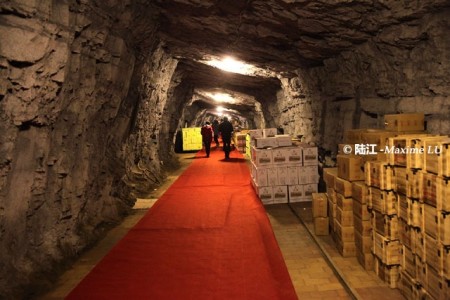
cave

翌日研讨会,中外评委们直面大部分参赛企业的技术或是企业负责人,复盘品鉴,并交流部分参赛酒款的特点和不足。作为无组织无上司的我,因为也没什么顾忌,轮到我点评时,比较直接地把品鉴酒中发现的问题反映给了相应酒庄的工作人员。 

我也总结这些酒中发现的某些通病。当然这些通病在一些国际化经验丰富的团队主导的酒庄产品中,相对表现较好。 我私下和当地几个酒庄的酿酒师沟通,原来当地大多数本土酿酒师团队在葡萄酒生产中,某些重要环节中的判断标准有些偏差,从而导致了现在的结果。不过我进一步交流后也发现,不少本土酿酒师没有很多品鉴国外成熟高水准产品的机会,所以在品鉴判断自己产品时,缺乏参照,甚至把葡萄酒的某些缺陷,也当成了正常特点。 

关于这一点,我和相邻的评委也有讨论沟通,这位相熟的国际评委有趣地提到了一个词“Cellar Palette”,直译是“酒窖口味”,甚为贴切。因为这些具有“Cellar Palette”的酿酒师,因为种种原因只在自己酒厂里酿酒,很少有机会参与国际上高水准的技术交流,也难得品鉴到国外高水准的葡萄酒,日积月累,已逐渐习惯于自己酒窖出产的口味,导致无法判断自己酿的酒是否有瑕疵,从而也无法得到提升。 

其实从我走访的国内不少产区的酒厂来说,有很大比例的技术人员都是在某种程度上的闭门造车。缺乏更多的国际技术交流、培训和品鉴机会,这一点也是国内葡萄酒厂技术人员在提升国产葡萄酒进程中遇到的重要瓶颈之一。 

研讨会尾声,一位当地酒厂的老总拿着他的一款本地作品,请我和相邻的评委一起尝试评价。我们仔细品鉴后,相视……相同的疑问表情。

“Cellar Palette ?”

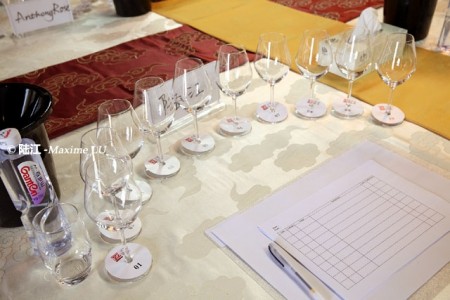
tasting

Liv-ex 今日推出Fine Wine 1000指数

 Liv-ex 今日推出Fine Wine 1000指数

Liv-ex launches the Liv-ex Fine Wine 1000 index 

陈微然 Weiran CHEN

从Liv-ex总部收到的最新消息

自2002年起,Liv-ex平台上交易的酒款总数增加了85%,波尔多葡萄酒逐渐淡出市场,其他优质产区的葡萄酒市场份额不断增加。2001年Liv-ex推出了Fine Wine 100指数,以显示市场上最抢手的葡萄酒的价格走势,Fine Wine 100当中波尔多葡萄酒占据92%,反应了当时的市场状况。如今市场对于勃艮第,香槟,意大利,隆河,新世界葡萄酒的需求增加,波尔多葡萄酒占据份额不到80%。新推出的Fine Wine 1000指数对世界上1000款抢手葡萄酒进行追踪,仍使用Liv-ex的“中间价”算法,每月计算,以2003年Fine Wine 100指数作为基底。


上月,Liv-ex Fine wine 1000指数止于255点,反映出年同比增长3%,与此同时,Fine wine 100下跌了1.4%。下图显示,在5年期间,Liv-ex Fine wine 1000指数的表现超过了Fine wine 100, 金价和房价指数。


Index

Level

Month on month

1 year

2 year

5 year

Liv-ex Fine Wine 1000

255

-0.5%

3.0%

0.6%

37.3%

Liv-ex Fine Wine 100

257

-0.5%

-1.4%

-10.2%

24.3%

FTSE 100

6,749

1.5%

14.4%

21.1%

52.2%

Gold

725

-5.1%

-29.5%

-28.1%

20.2%

Nationwide House Price Index

353

1.4%

8.2%

7.1%

14.5%

Liv-ex Fine Wine 1000 由7个分指数组成


Bordeaux 500: 跟踪包括2001-2010 10年间50个顶级波尔多酒庄酒价的变化

Bordeaux legends 50 : 跟踪自1982年起 50款波尔多顶级年份的酒价变化

Burgundy 150 : 跟踪15款勃艮第红白葡萄酒近10年内的酒价变化,其中包括DRC罗曼尼康帝酒庄的6款葡萄酒

包括Rousseau Chambertin clos de beze,

Comte de Vogue , Bonnes Mares

Jean Grivot, Clos de vougeot

Mommessin, Clos de Tart

Ponsot, Clos de la Roche

Bonneau du Martray, Corton Charlemagne

Comtes Lafon, Meursault Charmes

Domaine Leflaive, Puligny Montrachet Pucelles

Domaine Lefalive Batart Mntrachet

William Fevre , les Clos

Champagne 50 : 跟踪12款香槟最新年份价格变化

Rhone 100: 跟踪5个南隆河酒庄和5个北隆河酒庄近10年内的酒价变化

Italy 100: 跟踪5个“超级托斯卡纳”酒庄和另外5个顶级意大利酒庄近10年内的酒价变化

Rest of the World 50: 记录5款来自西班牙,葡萄牙,美国,澳大利亚的葡萄酒近10年内的酒价变化

具体分指数选择酒款请点击链接:

http://www.liv-ex.com/lx_docs/Wines%20in%20the%20Liv-ex%20Fine%20Wine%201000.pdf

这些酒款占据了在Liv-ex平台上交易的葡萄酒数量的55%,金额的79%