Decanter Asia Wine Awards judge: Jiang Lu (Maxime LU) – Decanter亚洲葡萄酒大赛评委: 陆江

Decanter Asia Wine Awards (DAWA) judge: Jiang Lu (Maxime Lu)

Decanter亚洲葡萄酒大赛评委: 陆江


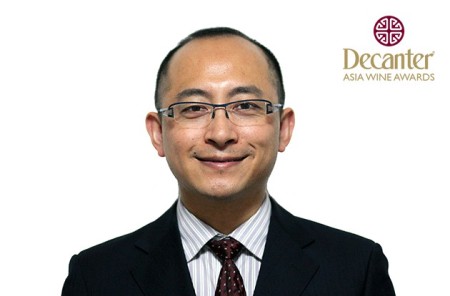
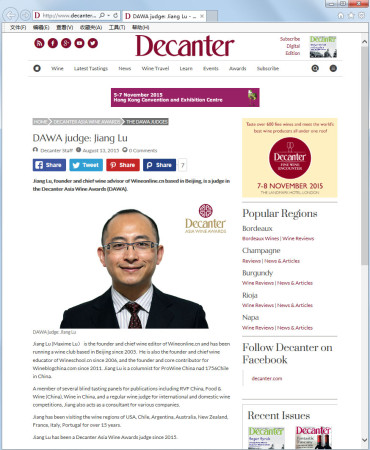
Jiang Lu, founder and chief wine advisor of Wineonline.cn based in Beijing, is a judge in the Decanter Asia Wine Awards (DAWA).

DAWA judge: Jiang Lu

DAWA judge: Jiang Lu (Maxime)

Jiang Lu (Maxime Lu) is the founder and chief wine editor of Wineonline.cn and has been running a wine club based in Beijing since 2005.  He is also the founder and chief wine educator of Wineschool.cn since 2006, and the founder and core contributor for Wineblogchina.com since 2011. Jiang Lu is a columnist for ProWine China nad 1756Chile in China.

A member of several blind tasting panels for publications including RVF China, Food & Wine (China), Wine in China, and a regular wine judge for international and domestic wine competitions, Jiang also acts as a consultant for various companies.

Jiang has been visiting the wine regions of USA, Chile, Argentina, Australia, New Zealand, France, Italy, Portugal for over 15 years.

Jiang Lu has been a Decanter Asia Wine Awards judge since 2015.

Read more at http://www.decanter.com/dawa/the-dawa-judges/dawa-judge-jiang-lu-270491/

decanter2015judge

Romanian Wine and Its Market Development in China

Text by Jiang LU (Maxime LU)

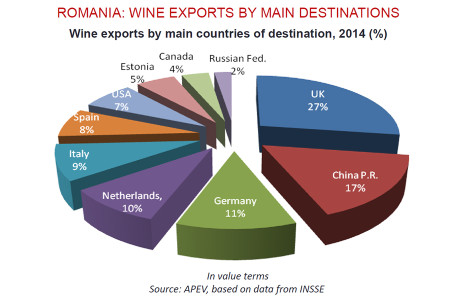
Romanian wine hasn’t achieved great market exposure in China. Most wine professionals and consumers are not aware of this wine region. Therefore, it might come as a surprise to many people if I say that China has become Romania’s largest export market in 2012, and in 2013 and 2014 respectively the second and the third largest export market. And in 2014, China was Romania’s second largest market for wine export in terms of export values. As a strong wine production region, Romania’s limited marketing activities for its wine products in China were mainly organized by wine producers instead of by regional industry or official organizations.
289576740
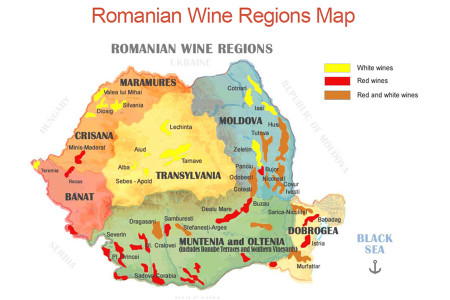
Now let’s first take a look at some general information of this relatively unfamiliar wine production region.
As a European Union member state, Romania is situated in southeastern Central Europe, where the River Danube makes its way to the Black Sea. Romania has one of the oldest wine making traditions in the world, its viticulture dating back to more than 4,000 years ago. Legend has it that the God of Wine Dionysus used to live in Romania. Romania lies in the same latitude as other world-renowned wine regions such as Bordeaux, Burgundy and Piemonte.
2895631176
A great number of international or local grape varieties are cultivated here:
International grape varieties include Pinot Noir, Merlot, Cabernet Sauvignon, Syrah, Chardonnay, Pinot Gris and Sauvignon.
Local variesties include Feteasca Neagra, Babeasca, Mustoasa de Maderat, Negru de Dragasani, Feteasca Regala, Feteasca Alba, Galbena de Odobesti, Zghihara de Husi、Tamaioasa Romaneasca and Busuioaca de Bohotin.
In 2014, Romania produced 61% white wine and 39% red wine. 28% of the wine holds DOC and IGR labels, while 72% of them are table wines.
Romania became a member of the International Organization of Vine and Wine (OIV) in 1928, and hosted the 36th World Congress of Vine and Wine in June 2013.
281097259
Romania has the fifth largest wine growing areas in the EU. Its grape production ranks the fifth while its overall wine production is the sixth largest in the EU, following Italy, France, Spain, Portugal and Germany.
Globally, Romania is among the top 15 wine regions in terms of grape growing area and wine production.
Currently, over one million Romanians are working in the viticulture and wine related industries. Over 5% of its arable land has been used for viticulture. Its viticulture accounts for more than 14% of its fruit vegetable output. The market value of the Romanian wine industry is between 350 million to 450 million euros.
It’s clear that Romania is one of the oldest and strongest wine producing countries in Europe. The “low-profile” of Romanian wines in China is largely due to its special wine market and previous marketing strategies.
Romania’s wine production is mainly targeted for domestic consumption. A large deficit persists in its wine exports as a result of its low export volumes. In 2014, Romania produced around 384 million liters of wine, while its domestic consumption reached 408 million liters, creating a great gap of demand. Therefore, it imported about 34 million liters of wine and exported only 10.4 million liters, or 19.4 million euro export and 36.1 million euro import, leaving a deficit of 16.7 million euro.
Besides its domestic market orientation, Romania only came back to the western European market in the 1990s due to political and historical reasons. Its focus, therefore, has been on exploring the western European market instead of the faraway Chinese market. As a result, promotional activities for Romanian wines in China have been quite limited. Companies offering Romanian wines in China can be seen only in trade fairs from time to time. Online search for major Romanian wine importers leads to only a handful of results. This indicates that, regardless of the fact that China has become one of the main export markets to Romania, Chinese wine dealers are still offering Romanian wines as a complimentary product or simply use it to expand their product portfolio.
As the Chinese wine market started to take off in the past decade, a great number of Chinese businesspeople and capitals in connection with Romania have come to focus on Romanian wines with outstanding cost performance. Though in absence of promotional activities in China, Romanian wine still achieved great market performance in China due to its unique advantages. A total of 1.18 million liters, or 1.57 million bottles of Romanian wine has been exported to Mainland China in 2014. This equals to 2.8 million euro of export value, or 17% of its total exports. Chinese importers of Romanian wines mainly come from Zhejiang and Guangdong provinces, with several exporters from Wenzhou, Ningbo and Shenzhen gaining in scale.
2895856602
In recent years, an increasing number of Romanian wine producers have started to pay attention to the huge Chinese market potential. In an effort to avoid the risk of focusing on the single European market, those wine producers have become rather active in trade fair participation in China for market promotion. APEV ROMANIA has allocated certain budget for organizing group participation in influential wine trade fairs in China such as this year’s ProWine China in November (2015), where you will find a special section on Romanian wines.
As the development goes further, more and more Chinese consumers will be able to enjoy the high quality and rich variety of Romanian wines in the near future.
– LU Jiang, WineSchool China –
采访迦南美地酒庄主王方

 文:陆江(Maxime)    编辑:王智慧

前段时间上海的一个国内有些知名度的葡萄酒大赛,公布今年的评选结果,其中最佳中国葡萄酒是来自宁夏的迦南美地酒庄的一款酒。正好又从一些报道里知道国内葡萄酒市场著名的大进口商美夏也刚和这家酒庄签了独家代理协议。

我有些好奇,虽然作为评委参加过不少葡萄酒大赛的品评,国产酒接触也不少,不过对近两年冒出来的迦南美地酒庄了解甚少,酒也没怎么尝过,蛮感兴趣。酒庄的庄主王方只是今年在成都见过一面,感觉很爽朗,不过因为时间关系没多交流,当时同行的伙伴告诉我,王方是个“疯狂”的人,人称“Crazy FANG”。这月初正好听朋友说起,她要到北京参加合作伙伴的活动。于是我约了她做个简短的专访,还特意协商了一下,准备品鉴她的全线产品。惯例,采访前我会做些功课,从网上看到的资料或是采访得知,王方在德国上学生活10多年。父亲是宁夏当地著名葡萄酒专家,受他的影响,再加上一些机缘,点燃了她对葡萄酒的激情,于是回宁夏建酒庄,投身到当地崛起的葡萄酒产业。而且她信仰基督教,因为对葡萄园充满期望,所以有了迦南美地的酒庄名。由于德国的影响,对雷司令这个白葡萄品种情有独钟。不过网上文章很少涉及我感兴趣的酿酒时的想法理念以及一些技术话题。正好这次可以和王方交流一下。

489064885259297878s

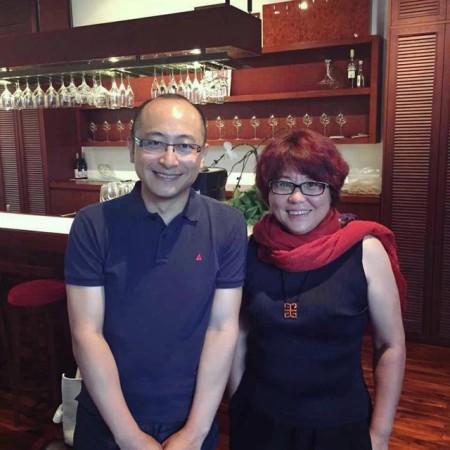
撰稿人陆江(左) 与 迦南美地酒庄主王方(右)

  7月20日的下午,我提早到了约定的地点葡道,葡道现场看到有迦南美地小马驹和小野马两款酒在出售,价格都在一两百块的范围,小马驹略高一些。又见到了王方,爽朗的笑声让气氛立刻轻松下来。我说边品酒边聊天吧,先打开颇有些口碑的雷司令。

第一款雷司令的通透、新鲜和干净,我很自然地问到了迦南美地在澄清阶段是怎么处理的。

王方解释道:“对于白葡萄酒来说,我们很看重冬天自然澄清的这个环节。宁夏的冬天,室外温度能达到零下十七八度,储酒的车间里温度在零度左右。我们同时拥有制冷和制热设备,可保证酵母好好工作,白葡萄酒经过酒精发酵后,再通过冬天自然低温储存,添加皂土澄清剂处理,最后除菌过滤装瓶。

红葡萄酒的苹果酸乳酸发酵在十一月到十二月之间结束,随后将发酵完成的红葡萄酒酒装入大的酒罐,静置过整个冬天,才转入橡木桶里(这样操作还有一个原因就是新桶购置不能及时到位)。这样做的好处是澄清度非常好,稳定性在自然冷藏之后也非常好,口感上更清新自然。”

“提到低温,我们知道低温能导致酒石酸或其他结晶的产生,对酸测定值会有影响。那么从您装瓶当天的数据来看,大概是什么样的范围?”我顺势问道。

“装瓶时的酒石酸含量大概在6g-6.5g/l左右,主要还是看年份,2013年是5.7g/l,对整个贺兰山产区来说,那一年很难得有超过6g/l的,我们也会有针对性的对某个品种采取调酸的措施。”听罢我补了一句:“如何来判断调酸的依据。”王芳回答说主要依据还是她的舌头和她的判断。

mp17128981_1433099653424_6

前两个月我采访一个南澳名庄酿酒师时,正好也聊到这问题,那家酒庄的调酸标准是比较依据PH值。于是我就问:“相较之下,人在一天中状态不同,味觉敏锐度都会不同,依据舌头的判断会不会对酒质的稳定性产生影响?”

“我们整个团队都会对这个酸度衡量进行负责。我的部分就是靠我的嘴巴和舌头去亲身尝试,跟酿酒师去谈我品尝之后的感受:这个酒不够圆润,或者过于单薄,或者酸度过低。那么酿酒师会根据实验室的测试数据,结合我的意见,进行调整。最后定型的风格是团队的共识,但是人的品尝感受的引导是最主要的。也不是说在一次成功之后记录数据,之后都按着这个数据去做,而是每一次都会反复品尝和尝试,确定它在口中的表现不会失手。”

王方进一步提到:“在决定酿酒之前,对要做什么样的酒,它应该有怎样的的风格个性已经有了打算。你确定采摘期,确定过什么桶,所有的一切方式都是奔着你要的结果去的,你目标明确,并在反复尝试中确认酿出的酒就是你要的那个结果。

我点了点头:“确实如此,酿酒师的理念目标不同,则方法不同。在实际操作中所采用的方法并无绝对好坏之分。理化指标是一方面,但是很多东西不能完全的指标化,不能完全靠数据传递出来,还是要看人的嗅觉和味觉的综合判断。”

王方继续说:“实验室的数据要及时提供,是我们很重要的依据。但是在一些环节中,决定因素还是人的主观判断。比如我们所有的采摘都是手工采摘,我会站在采摘队伍的排头,一边摘一边吃,吃完了决定葡萄入哪个罐。陈酿之后的混合调配过程也完全是依靠自己感觉去决定风格走向。调整自己的情绪和身体状况,确认都在最佳状态,然后放下一切杂务,心无旁骛的试酒。连续两天品尝之后确认这个味道和感觉可以了,那就是可以了。”

mp17128981_1433099653424_3

“2013年的葡萄成熟度非常好,酸度不够理想。消费者反馈说,这个年份的雷司令已经能够体现出品种的典型特征,可是酸度不足。就好像一个美女,她确实是个美女,可惜皮肤还不够白。2014年葡萄转色期短,酸度有所提高,但在采摘时发现很多都染上了贵腐霉,那时候很多人不了解这是贵腐霉,非常焦急,以为是葡萄烂了。我就是在田里尝葡萄,觉得葡萄的成熟度还不够,决定将采摘期推迟七天。你知道采摘期的每一天都至关重要,酸度和果味在流失,推迟一天都要承受巨大的压力。但无论如何我们还是推迟了七天,最终也确实达到了非常好的成熟度,酸度也让人满意。唯一的遗憾是酒色还有些深,这跟宁夏光照充沛有很大的关系。我要求葡萄园的果农不要过多修剪叶片,保护果实,但果农常常不按照我们的意思去做,因为强光照决定了高糖度,而他们把葡萄卖给我们的价格是按照糖分来决定的。所以还是有不少需要磨合提升的。”

听着王方的叙述,我很难想象这些话,出自这位原来并无任何葡萄酒技术背景的,前全职家庭主妇的女庄主之口。

“我还有最后一个问题,国内酒庄在橡木桶的使用上经验还比较薄弱,导致了经常用桶过度的现象。那么,迦南美地是怎样处理桶培这个环节的呢?”

“确实如此,我们国内的酿酒师十分缺乏用桶经验。在宁夏,一次发酵之后的酒经常不分伯仲,可以说都是有潜力的好酒,主要差距都是在后期的管理和过程决策中产生的。如果我的酒要比别人家的品质更好,那说明后期的操作要求更严格,这个时候就不能完全凭着感觉走了,必须一丝不苟的审核每一道程序,不放过每一个细微的差别。”

824794038319812488

“我是一个好奇心旺盛的双子座。每一年都会多用一两个新桶,同时淘汰一两个,我们家的桶五花八门,但主打是TARANSAUD(达恒索)。我们今天尝的酒里面有两款使用的是单一的TARANSAUD新桶。小马驹使用的是TARANSAUD的匈牙利桶和法国的RADOUX(哈杜)橡木桶,还有一部分旧桶。TARANSAUD的魅力是,它不会产生让人反感的oaky(橡木)味道。即使过桶24个月的酒口感依然是非常自然平衡的,感觉不到任何呆板的、有干扰性的木头味道。当然这也跟我们使用的烘烤程度有关,我们常用medium。

从去年开始,我开始试用两款勃艮第的桶,这属于实验性质,我会把酒放入各种不同的桶,每三四个月统一尝一次,亲自感受总结什么酒的什么阶段,最适合用哪一款桶,也多次把我总结的经验共享给大家。2012年是自然减产2/3的一年,葡萄风味更浓郁,那一年我经验不足,使用的是Light的桶,结果单宁显得粗糙,现在我知道应该用Medium+或者Heavy烘烤程度的桶。只有这样好的年份,其实才配的上TARANSAUD这样的桶。因为TARANSAUD差不多7000到10000RMB一只,成本其实很高,给最终的产品定价会带来压力。”

因为王方还要赶下一场发布会,我们的访问就到这里。她谈到葡萄酒时眼睛会发亮,会变得特别有激情,这也明显感染到了我们这些周围的交流者。

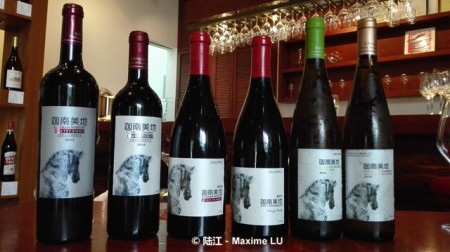
现场品到的6款酒,整体水准出乎我意料,尤其黑骏马2012,庞大不失细腻,做得蛮出彩。当然两款白葡萄酒的干净,典型,也是值得推荐。我当天品鉴了迦南美地全系列共6款酒,品鉴记录如下:

558120849948764585s

Riesling 2014 迦南美地雷司令

果味干净,有点矿物感,中等酒体,干净,酸度中强活跃,典型,回味中等。

White Blend 2014(semi-sweet)迦南美地半甜混酿

苹果,果味充沛,矿物,一丝黑醋栗芽孢,中等酒体,半甜,干净,酸度中强,回味中等。

wild pony 迦南美地小野马 2014

黑莓,果味充沛,中重酒体,柔和易饮,酸度中等,回味中等。

Pretty pony 迦南美地小马驹 2013

香料,黑莓,咖啡豆,中重酒体,酸度中强,活跃,单宁中等,柔和,回味中长,有些烟熏余味。

Black beauty 迦南美地黑骏马2012

烟熏,咖啡豆,黑色水果,香料,柔滑,单宁强且比较细腻,结构庞大完整,平衡细致,回味长。24个月的新法国桶

Crazy Fang 2011

果味和桶味处理均衡,重酒体,集中,酸度中强,口中有烘烤,烟熏,香料气息,单宁收敛,比较干,结构完整,回味长,余味中有黑胡椒。有不错的陈年实力。


欢迎微信搜索【万欧兰葡萄酒俱乐部】或【wineclos】,关注我们公众号,我们有国际国内热点的葡萄酒资讯和专家观点,还有有趣好玩的美食美酒旅游活动。


陆江(Maxime LU)

– 国际国内葡萄酒大赛专家评委,独立酒评人,美食美酒旅游类撰稿人,葡萄酒行业咨询顾问,资深葡萄酒和烈酒收藏顾问,万欧兰葡萄酒教育首席讲师

王智慧(Serien WANG)

– 资深葡萄酒编辑、撰稿人和专业译者,《葡萄酒在线-WINEONLINE.CN》葡萄酒专题总监,万欧兰葡萄酒教育葡萄酒讲师

万欧兰葡萄酒俱乐部系列134,“勃艮第奇葩酒品鉴会 ”活动总结

文:王智慧 | 葡萄酒在线

哦你喝过康帝,那有什么了不起,你喝过Chassagne Montrachet一级田的红葡萄酒么,你听说过勃艮第的霞多丽贵腐么?8月3日周日下午,万欧兰俱乐部的奇葩酒专场火热来袭,能把勃艮第各个庄园和庄主们的八卦新手拈来的,勃艮第官方认证讲师微然老师,跟我们分享了小众好玩,难得一见的勃艮第。

0

2


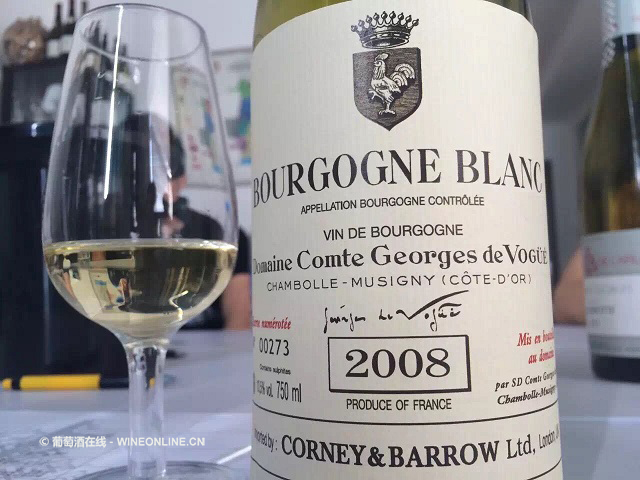
如果你还记得我们做过美泉酒庄的专访:你一定记得它的主顾保险巨头AXA集团,碧尚男爵和苏岱的绪帝罗酒庄都是他们家的,勃艮第盛产红葡萄酒的Domaine Arlot也是,而我们尝到的竟是它出产的 Nuits st Georges白葡萄酒。除此之外,还有不光名家少见,连勃艮第都很少出产的Chassagne Montrachet一级田红葡萄酒;以及因为某些奇葩的原因降级为bourgogne blanc的Musigny特级田出产的,勃艮第最贵 “大区级”白葡萄酒,年产仅有100箱左右,奇葩中的战斗葩!一句话总结就是,“后海有树的院子,夏代有工的玉,此时此刻的云,二十来岁的你”,那些年的可遇不可求。

1

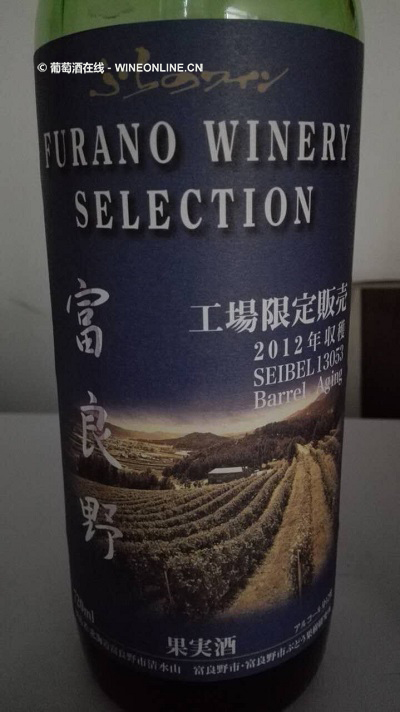
此外@黄小培同学带来了日本酿造的红葡萄酒,同为相应“赏奇”主题。热烈表扬,有好东西时时刻刻想着带来跟群里兄弟分享的才是好成员

5


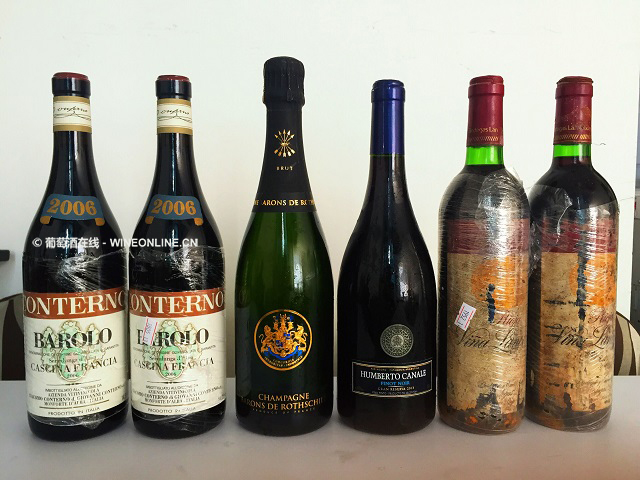
倍受欢迎的拍卖环节今天出现了Cascina Francia 2006的Barolo,罗斯柴尔德的香槟,阿根廷优质的黑皮诺,以及在之前有过两轮上佳表现的Lan 1970,黄教主的酒。现场气氛火热,均以打劫价格成交,预计线上拍卖将在不久的未来顺应民意出台,让我们先期待一下。

6

7

最后附上陆江老师的品酒词,希望能给大家一些参考:

Domaine Arlot Nuits Saint Georges cuvee la gerbotte  2011

坚果,香草,矿物,柚子,果味和桶味整体均衡,重酒体,酸度强,圆润,回味中等,微苦。

Domaine Dujac Morey St Denis 1er Cru Monts Luisant 2010

橙花,矿物,坚果,香草,爆米花,重酒体,饱满,圆润,开始时酸度强劲比较突出,结实,集中,回味长。超重口味,适合陈年。醒了一两个小时后明显入口平衡。

Comte de Vogue Bourgogne Blanc 2008

香草,坚果,橙子,杏仁,橙花,矿物,重酒体,酸度强,有集中度,平衡,比较细致,回味长,有坚果,杏仁,一丝矿物。不错的酒,就是价格贵。

Domaine Ramonet Chassagne Montrachet 1er Cru Boudriotte Rouge 2012

樱桃,果味主导,香料,酒体中等,酸度中强,单宁中等略强,比较细致,回味中长,微苦。

Maison Kerlann Maranges 1er Cru 2008

皮革,一丝菜干,香料,中等酒体,酸度中强有些凸显,单宁中等略硬,回味中等。