意大利名庄皮欧跨越50年的垂直品鉴


  图文:陆江(Maxime LU)

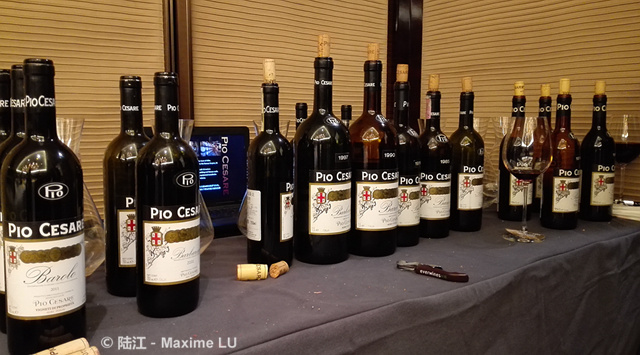
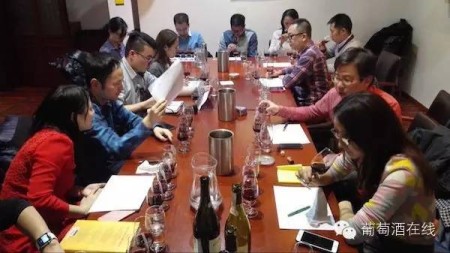
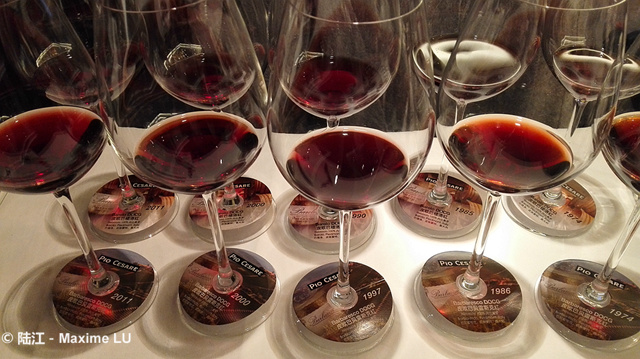
  2016年3月7日我应邀参加了桃乐丝中国(Torres China)在北京四季酒店举办的意大利皮埃蒙特(Piemonte)实力名庄皮欧酒庄(Pio Cesare)Barolo和Barbaresco跨越五十年的品鉴会。

IMG_7754_副本

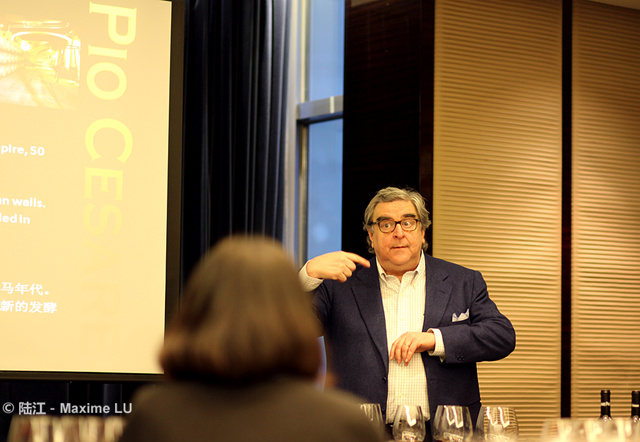
酒庄庄主Pio Boffa

  酒庄庄主Pio Boffa先生也正好在现场主持。他还特别提到,本来是只准备带新年份2011过来开品鉴会,不过和进口商桃乐丝沟通后,决定从酒庄拿出从70年代到最新年份的两种酒垂直年份共10款。原本号召力一般的新年份发布品酒会变为重量级的意大利名庄大跨度垂直年份品酒会,立刻号召力爆棚,品鉴当天来了不少北京葡萄酒媒体,葡萄酒培训专业人士和KOL,座无虚席。Pio Boffa先生还特别提到,为这些老酒,他去90多岁的老母亲那边软磨硬泡地要到酒窖的钥匙。

Pio Boffa先生还介绍了酒庄和品鉴的每款酒的相关年份情况。

IMG_20160307_163902_副本

皮欧酒庄由皮欧?凯撒创立于1881年,现在皮欧家族的五代传人依然选择在阿尔巴中心的古老酒窖中酿造传统的皮埃蒙特葡萄酒。酒窖的历史可以追溯到公元前50年的古罗马帝国时代,现在有大量的资金投入到修缮和巩固酒窖的架构及酒庄的设施。全新的发酵设备里新增依靠重力分离的设备,以及一个橡木桶陈年室。

同时,在现有的酒窖设施和古罗马城墙地下的12米处,建造了一个全新的罐瓶和贴标签的操作空间。皮欧酒庄拥有70逾公顷(150英亩)葡萄园。在巴楼洛地区,皮欧拥有的葡萄园有Ornate, Serralunga d’Alba的Colombaro,Gustava, Roncagile, Ravera;2014年11月,座落在Monforte d’Alba的Mosconi葡萄园也被购入。在Barbaresco地区,还拥有位于Treiso的Il Bricco和San Stefanetto葡萄园以及位于Diano d’Alba, Sinio和Trezzo村庄的一些葡萄。

IMG_20160307_174028_副本

我的一些酒评词 (By 陆江):

Pio Cesare Barolo DOCG 1974

沥青,一丝菜干,香料,蘑菇,中重酒体,单宁强,细致有力,咸,有一定集中度,酸度中强,活跃,回味长。平衡。

Pio Cesare Barbaresco DOCG 1974

果味,一丝菜干,饱满集中,香料,西梅果干,细致黑巧克力,重酒体,酸度中强,很好的平衡,单宁强,骨架清晰结实但细致,有结构感,回味长。

Pio Cesare Barolo DOCG 1985

酸梅干,果味清晰,香料,皮革,甘草,重酒体,酸度中强,单宁强,完整骨架,平衡扎实细致,集中度不错,依旧壮实,回味长,烟熏。很不错的陈年实力。

Pio Cesare Barbaresco DOCG 1986

皮革,咖啡豆,香料,重酒体,酸度中强,富有活力,单宁扎实细致,完整骨架,回味长。集中度比1985的略欠。

Pio Cesare Barolo DOCG 1990

还有一丝新鲜果味,山楂饴,香料,烟熏纸灰,重酒体,单宁厚实,很强劲,完整骨架,酸度中强,活跃,传统风格,平衡强壮有很好的陈年潜力。

Pio Cesare Barbaresco DOCG 1997

甜美果味,香料,皮革,单宁强劲,耐嚼,收敛有力,细致,饱满平衡,集中度很好,酸度中强,回味长。

Pio Cesare Barolo DOCG 2000

单宁强筋,重酒体,李子果味明显,黑巧克力,厚实饱满,单宁强劲天鹅绒,骨架完整壮实,酸度活跃,厚实,平衡,回味长。

Pio Cesare Barbaresco DOCG 2000

香料,果味清晰,黑巧克力,酸度中强活跃,单宁强劲柔滑,厚实天鹅绒,收敛有力,有些封闭,回味长。

Pio Cesare Barolo DOCG 2011

李子果味主导,香料,果干,黑巧克力,重酒体,单宁强劲,完整骨架,集中,比2000更细致,酸度中强活跃,平衡,回味长。

Pio Cesare Barbaresco DOCG 2011

果味充沛,有果味和果干气息,黑巧克力,香料气息,单宁强劲,厚实天鹅绒,重酒体,饱满集中,酸度中强,回味长。

IMG_20160307_172740_副本

万欧兰葡萄酒俱乐部系列143活动总结“教皇新堡标杆Beaucastel垂直品鉴”

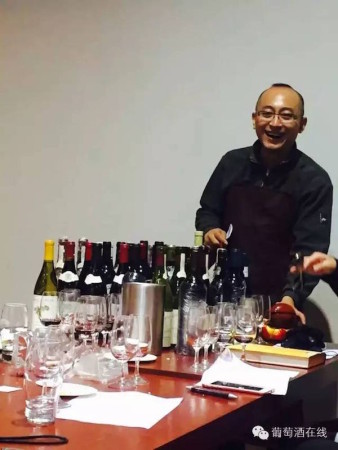
上周日下午,教皇新堡标杆Beaucastel垂直品鉴欢乐开场。

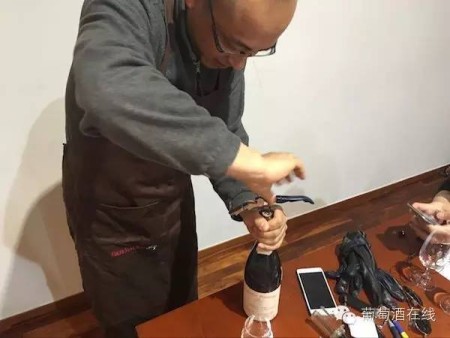
在简单介绍了法国第一个AOC教皇新堡的气候、土壤、品种、历史等等基础知识,并普及了下Chateau de Beaucastel的背景和酿酒历史之后。。。老酒专场嘛,第一个坎儿就是带齐十八般武器开酒塞。

640

6401

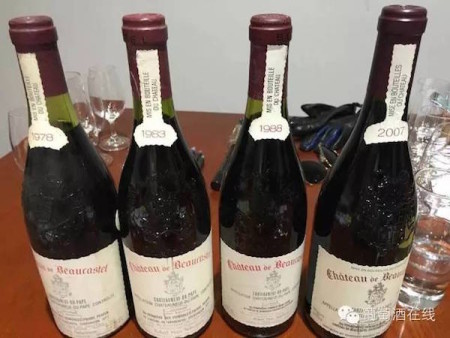
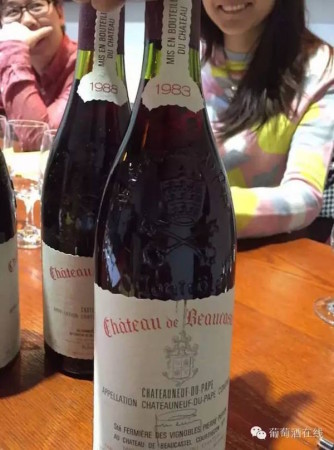
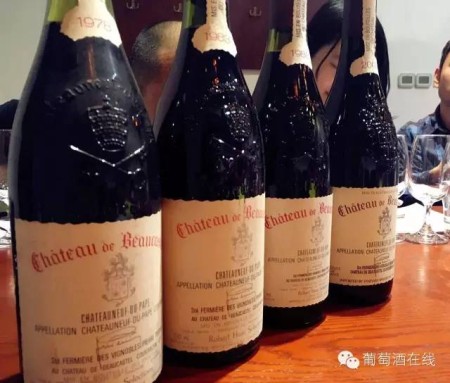
Chateau de Beaucastel是教皇新堡的标杆酒庄,当天四款,1978年份复杂平衡,正适饮,但如果你家里也有这款,就不要再放啦。1983年份开瓶后状态就很好,此后表现出复杂变化,平衡细致,感觉仍有继续发展的潜力,是当天最受青睐的一款。 1988年份香气在开瓶后的半小时里一直有些封闭,不过也有同学表示这像个羞涩的姑娘,好喜欢这种未知感;2007年份果味与桶味平衡,青春无敌。
6402

6403

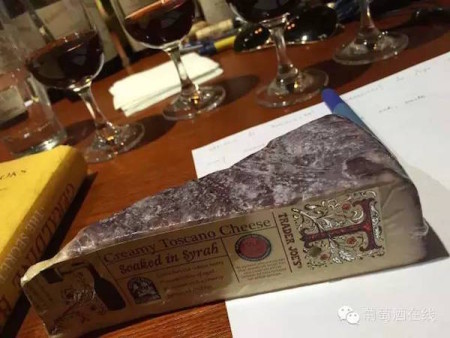
西拉浸泡过的奶酪散发着冰激凌的甜香之气,入口倒是咸香的刚刚好好,迷迭香奶酪的香料味道让它反而不如上一款味重。。。总之,什么都没剩。

6404

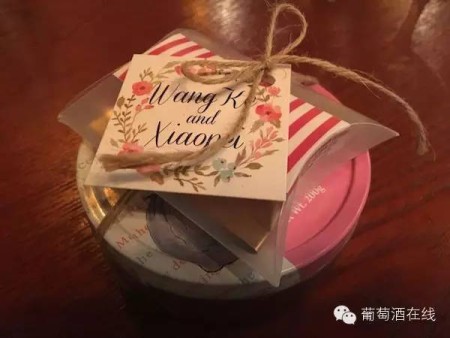
哦对,今天还有喜糖分,恭喜小培,小编也欢快的冲上去沾了沾喜气。

6405

今天有不少新面孔的小伙伴,也欢迎更多的小伙伴加入我们,你会发现不但可以跟着资深的老师学习从产区到酒庄的知识,吃到有档次的下酒菜,涨了不少开酒的新姿势。。。还能捡漏!!!此次Haut Brion红颜容2003以2460的价格被抱走。。。更不用说好多大家过于礼貌谦让以致被底价抄走的勃艮第一级园和特级园。看到拍卖官夜里两点多还在发朋友圈,一定是心痛的睡不着吧~

6406

最后,继续感谢葡道北京的场地支持——隶属澳洲Woolworth’s Liquor Group酒业集团旗下,拥有900多家国际酒庄品牌的授权正品。是北京Wine boutique中的佼佼者。

以下为陆江老师的品鉴词,请供参考:

6407

1978
香气变化,枯树叶,香料,蘑菇干,皮革,中重酒体,单宁中等柔和,细致,柔滑,还有些层次,酸度活跃,整体平衡,回味长。很好的状态,不必醒,除渣就可以。

1983
香料,湿枯树叶,皮革,动物皮毛,一丝檀香,胡椒,复杂演变,重酒体,饱满圆润,有结构感,单宁如天鹅绒般,粉状单宁,舒服抚摸感,酸度活跃,集中度都不错。回味长。很好的适饮状态,也能继续成年。

1988
香料,皮革,酸樱桃,重酒体,柔和,单宁中等强度,细致收敛,平衡,一直很封闭,酸度中强活跃,回味长。

2007
甜美果酱味,香料,巧克力,重酒体,一丝烟熏,桶味和果味达成平衡,单宁强细致,收敛,酸度活跃,平衡,柔滑,回味长。也偏封闭。

JD.com: Mapping the landscape of online wine sales in China

By Maxime Lu / 陆江

Published on DecanterChina.COM, Chinese version of Decanter.

2 March 2016

In recent years, online retailers and their highly efficient delivery systems have largely changed people’s shopping habits in China. Such changes made online shopping one of the most important and fast-growing channels for Chinese consumers to purchase wine.

Read our exclusive interview with ZHAO Dabin, head of the wine department of Chinese online retail giant JD.com, to learn about the scale and current state of its rapidly growing wine business.
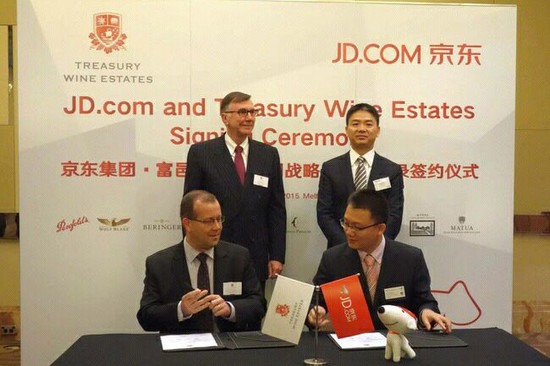
134951_jd-com-zhao-dabin-liu-qiangdong-twe-signing-croppedImage: ZHAO Dabin (right on the front) and LIU Qiangdong of JD.com signing agreement with Treasury Wine Estates

The scale of the business

As one of the biggest online retailers in China, JD.com launched its wine business at the end of 2010, ZHAO Dabin, head of JD.com’s wine department, told DecanterChina.com.

Wines sold on the site come from two sources, Zhao explained; JD.com works as an importer to buy wines from abroad and sell it directly, but it also serves as a ‘shopping mall’ for wine merchants to host their own shops.

The wine sales from both channels now account for a quarter of the retailer’s total annual sales of alcoholic beverages, which is expected to fetch CNY10.5bn (GBP1.1bn) in 2016.

‘Chinese white spirit (Baijiu),’ said Zhao, ‘still occupies the vast majority of the sales.’

In 2015, JD.com imported and sold CNY400m’s worth of wines itself, and the number is expected to triple in 2016. The sales through the merchants, on the other hand, are expected to hit CNY1.5bn, three times the amount of 2015, according to the retailer.

These estimates may still be ‘too conservative’, said Zhao, as JD.com has already sold 100m RMB’s worth of wine on its own from the start of 2016 to 20th January. ‘For January only, we have achieved four times the sales of last year.

Direct import vs merchants

Though JD’s direct wine import and sales business is growing rapidly, Zhao doesn’t believe that it would pose significant threat to merchants who sell their wines through JD.com.

‘Not all the wines are suitable to be sold by JD.com,’ explained Zhao.

For brands that are dealt by JD.com directly ‘they need to share a fixed amount of gross profit with us’, and their sales figures need to ‘keep up the pace’ of the fast-growing online retailer. JD.com would evaluate the performance of its own brands, and ‘eliminate’ the underperformers.

In fact, currently wine merchants take up a bigger chunk of the wine sales on JD.com, said Zhao. More and more merchants come organically or are invited by JD.com to build their own online stores. ‘The number of merchants defines the growths of the sales.’

The vast consumer base also suggests the size of the market. At the moment, wine consumers on JD.com are mainly office workers from Beijing, Shanghai and Guangdong, said Zhao. In late 2016, the retailer plans to reach out to villages and third and fourth tier cities.

‘Most of our wine consumers are still at entry level, though there are so many wine brands out there,’ said Zhao, pointing out that ‘only 3% to 4%’ among JD.com’s vast number of registered users buy wines at the moment. ‘There’re still plenty of room to grow.’
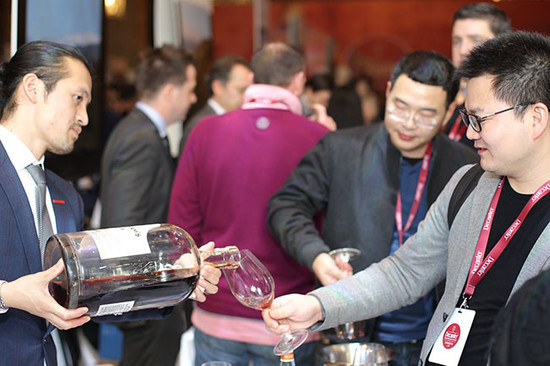
134952_jd-interview-decanter-2015-shanghai-fine-wine-encounter

Image: Chinese consumers at 2015 Decanter Shanghai Fine Wine Encounter

Domestic wines vs Imported wines

In 2015, China has imported significantly more bottled wines compared to 2014. The Free Trade Agreement signed between China and Australia is believed to pose more challenges to China’s domestic wine producers in the next few years.

Currently domestic wines account for 30% of JD.com’s self-run wine business, whereas imported wines take up 70%. Zhao believes that other major online retailers, such as Tmall.com and Yhd.com, rely ‘even less’ on domestic wines.

Among the merchants on JD.com, 15% of the brands they sell are domestic, although the sales volume of domestic wines is ‘slightly more’ than that of imported wines, said Zhao.

Though the growths of imported wines are constantly put under the spotlight, in the third or even fourth tier cities in China, domestic wines still dominate the market. ‘Imported wines still can’t break into the smaller cities,’ said Zhao, ‘although in the first and second tier cities, the sales of imported wines are almost equal to that of domestic wines.’

Facing such challenge, domestic producers are seeking to expand their business.

The two biggest wine producers in China, Changyu and Great Wall, ‘are still among the top three best-selling brands on JD.com,’ said Zhao, adding that the two brands alone take up over 90% of the sales of domestic wines on the platform.
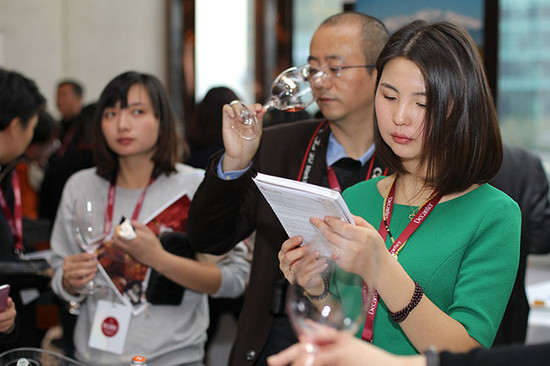
134953_jd-interview-decanter-2015-shanghai-fine-wine-encounter-reading-bookletImage: Chinese wine lovers at 2015 Decanter Shanghai Fine Wine Encounter

The most popular price ranges

The top countries for imported wines on JD.com are led by France and followed by Australia, Chile, Spain, Italy and America. The most popular price ranges on the online retailer, according to Zhao, are ‘under 50RMB’ and ‘50-100RMB’.

The ‘under 50RMB’ tier is dominated by Spanish table wines. Among wines priced 50-100RMB, consumers can find entry-level wines from the Domaines Baron de Rothschild (Lafite) and branded wines such as those from Penfolds Rawson’s Retreat, Yellow Tail and Casillero del Diablo of Concha y Toro.

The range of ‘100-200RMB’, however, showed the most significant growth among JD.com’s self-run brands, said Zhao.

‘We work as an importer and retailer at the same time, so we won’t add too high margins. This is a very popular price range in the general market as well.’

JD.com is also keen to develop its fine wine portfolio, namely those priced at 200 to 500 RMB. The sales during 2015 and the Spring Festival period in 2016 showed the potential of these wines.

‘None of the online retailers would satisfy on selling only the entry-level wines. We need to go upstream.’

The effect of the austerity policy

‘The austerity policies have brought no negative effect to JD.com what-so-ever; if anything, it was beneficial to us,’ said Zhao.

‘The anti-corruption drive mainly tackled the mid-to-higher range products. JD.com, on the contrary, is a retailer targeting the mass consumers.’

The bubbles of the mid-to-higher range have now burst, bringing the price back to the reasonable range. ‘More and more people were looking for value-for-money wines, which was great news for us,’ said Zhao. ‘While overall the industry struggled to grow, we managed to triple our wine sales from 2014 to 2015.’

Choosing the right supplier

Now five years in the wine business, JD.com believe its biggest challenge comes from the supply chain.

The suppliers can’t necessarily foresee the scale of the sales, thus may struggle to prepare enough stock for the fast-growing retailer, said Zhao.

Facing such challenges, in 2016 JD.com intend to re-evaluate its 1300 wine products by regions, and to focus its resources on fewer but better brands and suppliers. However, the adjustment should not interfere with the growth, Zhao said, ‘we should be able to keep growing at the rate of 300% to 400% (per year).’

About 2016

Speaking about China’s wine market in 2016, ‘I don’t expect an explosive growth,’ said Zhao.‘We still don’t have enough wine consumers in China, which is why we need to encourage more consumers to start drinking wine. Meanwhile, we need to further control the distribution costs, and provide down-to-earth prices to consumers.’Coming next month:JD.com: Controlling the authenticity and quality of wine products

Translated by Sylvia Wu / 吴嘉溦

Source:    https://www.decanterchina.com/en/knowledge/people/importers/jd-com-mapping-the-landscape-of-online-wine-sales-in-china-part-i

All rights reserved by Time Inc. (UK) Ltd. No part of this publication may be reproduced, distributed or transmitted in any form or by any means without the prior written permission of Decanter. Only Official Media Partners (see ‘About Us’ page on the website) of DecanterChina.com may republish part of the content from the site without prior permission under strict Terms & Conditions. Contact china@decanter.com to learn about how to become an Official Media Partner of DecanterChina.com.
Exclusive: Protecting the Champagne name in China

               By Maxime Lu / 陆江

Published on DecanterChina.COM, Chinese version of Decanter.

4 February 2016

With Bordeaux gaining its protected geographic indication (GI) status in 2015, it is believed that the Chinese market, which has grown over 30% in wine import volume and value in 2015, is making progress in protecting the names of the most illustrious wine regions in the world.

Champagne, however, received its GI protection in China two years earlier. Being one of the first French wine regional bodies to set up an office in China, the CIVC shares its experiences in defending the name ‘Champagne’ in the country and promoting the concept among both trade and consumers.

134738_champagne-civc-wang-wei

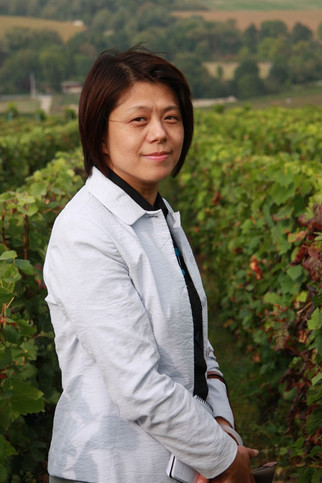
Image: Wang Wei, representative of the Comité Champagne (CIVC) in China

What the GI does

A geographic indication (GI) is a ‘clearly defined, specific place of origin,’ explained Wang Wei, representative of the Comité Champagne’s China office.

‘The unique local geographic environment brings particular characteristics to its product, therefore only this area is granted the right to use a specific name. The concept came from Europe but is now used globally,’ she added.

Champagne gained its GI status in the early 20th century. It is one of the first wine producing regions to receive such recognition, introduced CIVC.

For an immature market like China, a GI is a helpful guide for consumers as it ‘suggests the style and features of the region, and provides some guarantee to the quality’, said Wang Wei.

‘When seeing the name “Champagne”, you will know that the wine has bubbles, and was made by fermenting in the bottle; also it suggests that the wine was made under strict regulations in grape selection, production and winemaking,’ said Wang Wei.

How to protect a European GI in China

Fresh import figures shows that in 2015, the total value of imported sparkling wines in China was 6m USD, down by 27% compared to 2014.

‘China has never been a major market for Champagne,’ confessed the China representative for the trade body, which set up its office in the country in 2006.

‘However, the Champanions decided that works need to be done to clean up the market environment and set up protections, before a market can really start to blossom for them.’

‘The Chinese market used to be flooded with “big champagnes”, “little champagnes”, “pink champagnes”—anyone could use the name. If we had allowed them spamming the market, consumers could never find out what real champagnes taste like. That’s bad news for any brand to develop naturally and positively in China.’

Among the French wine regions which hold a GI status, Champagne was the pioneer to set up an office in China. Through great efforts and spending a long time, the region was finally granted legal protection by the Chinese authorities in 2013, following Napa (2012).

‘Since then, we were able to take legal actions against the knock-offs,’ she explained.

134740_champagne-grapes-chardonnay-credit-decanter

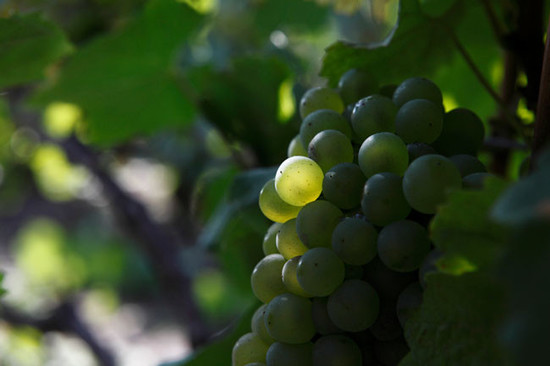
Image: Champagne vineyards © Decanter

For importers of regular sparkling wines who misused the Chinese name for Champagne ‘香槟’ on their labels, the CIVC China office would firstly ‘file a polite letter of notification, stating that this is an act of infringement, and demand them to stop using Champagne on the label. ’

‘Some of them would reply politely, saying that they were indeed unaware of the regulations, and were willing to make corrections,’ said Wang Wei, who considers this ‘a process you have to go through to gain understanding in the trade’. By doing this, ‘we hope to push for the trade to regulate itself,’ she added.

As for the cheap, low-quality knock-offs made by small local wineries, the trade body usually resort to the help of the local government, who can conduct investigations, confiscate the fakes, and urge offenders to stop the production.

Sometimes a fine is imposed. ‘Though the fine won’t be a lot, but it’s more like a statement: the term Champagne can’t be used lightly, and that the Champagne region is very serious about protecting its rights in China,’ said Wang Wei.

‘We are generally content about the progress we made in protecting the Champagne brand in the Chinese market at the moment.’

Promote the concept of geographic indication

Having said that, although the Chinese consumers are more and more conscious about protecting their rights and seeking for heathier and safer products, the geographic indication is still a concept ‘yet to be known by all’ in China, Wang Wei told DecanterChina.com.

‘Different local law enforcement departments don’t always understand the necessity of GI protection in the same way,’ said Wang Wei. ‘Sometimes we have to spend a very long time to explain and provide plenty of evidence, so as to help the local officials to understand what we’re asking for.’

In order to better communicate the concept of Champagne and the EU geographic protection system, ‘in 2015, we used every opportunity, including various government and trade seminars, to promote the idea of GI protection,’ said Wang Wei.

134741_champagne-louis-roederer-horses-vines-cellar-credit-eric-pgrabham

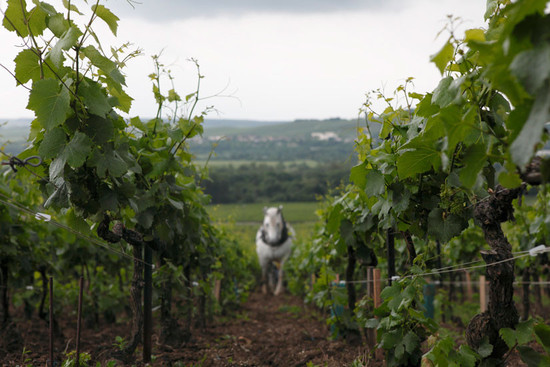
Image: Louis Roederer vineyards and horses, Champagne © Decanter

Educating consumers about Champagne is also an important part of the work, said Wang Wei.

‘There are many ways to spot a fake Champagne, such as via the certificate of origin or information on the wine label. But the consumers need some basic wine knowledge to do that.’

‘Everything we do today is for protecting the value of the ‘Champagne’ brand. The higher the value is the more efficient protection it needs.’

GI protection on China’s domestic products

As one of the pioneers in GI protection in China, the CIVC said that it’s happy to pass on the experiences to China’s domestic products.

‘China has many quality agricultural products that are made in a specific region and hold unique characteristics,’ Wang Wei told DecanterChina.com that due to lack of protection, many of these product or region names tend to be misused in the market. ‘Once the consumers get confused, the credibility of the name will be lost.’

In order to make the GI protection to take effect and bring actual profit to the local people, ‘the authorities need to pay enough attention to it. We will need a more comprehensive legal protection system, and train the law enforcers about the importance of intellectually property rights,’ suggested Wang Wei.

‘Properly reinforced GI protection will directly benefit both producers and consumers. It is also in line with the country’s strategy of sustainable development,’ she concluded.

Translated by Sylvia Wu / 吴嘉溦

Source: https://www.decanterchina.com/en/knowledge/people/region-authorities/exclusive-protecting-the-champagne-name-in-china

All rights reserved by Time Inc. (UK) Ltd. No part of this publication may be reproduced, distributed or transmitted in any form or by any means without the prior written permission of Decanter. Only Official Media Partners (see ‘About Us’ page on the website) of DecanterChina.com may republish part of the content from the site without prior permission under strict Terms & Conditions. Contact china@decanter.com to learn about how to become an Official Media Partner of DecanterChina.com.